Best Indoor Plants for Bengaluru Apartments – Low Maintenance & Air Purifying (2026)
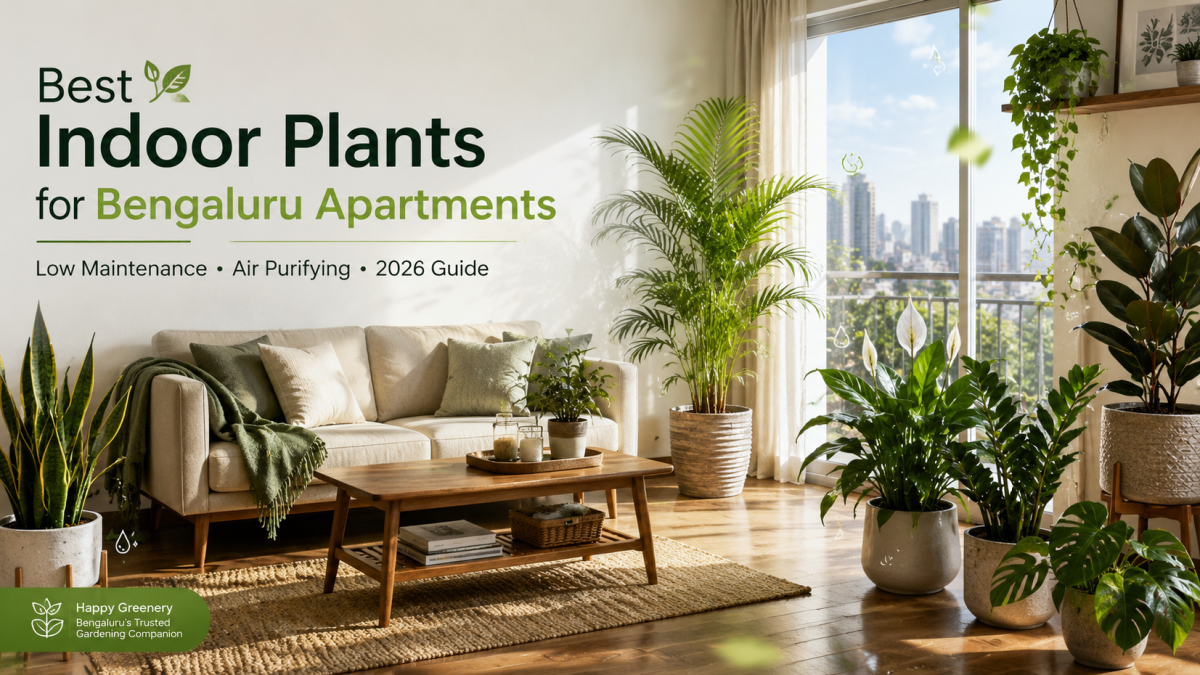
You've moved into a beautiful apartment in Bengaluru — maybe in Whitefield, HSR Layout, Bellandur, or Electronic City — and something feels missing. The walls are white. The balcony is bare. The living room looks like a furniture showroom. The answer? Plants.
But here's the problem most Bengaluru apartment dwellers face: 'I don't get enough sunlight.' 'I travel for work. I forget to water.' 'My balcony faces north. Nothing grows.' 'I've killed every plant I've ever bought.' This blog is written specifically for you.
Every plant on this list is: Proven to survive in Bengaluru's climate, suitable for apartments with limited natural light, low-maintenance (forgiving if you skip a watering), and available at Happy Greenery with home delivery across Bengaluru. Let's turn your apartment into a living, breathing space.
Why Bengaluru Apartments Are Actually Great for Indoor Plants
Before we get to the plant list, here's some good news — Bengaluru is one of India's best cities for indoor plants. The climate is on our side. We enjoy stable temperatures year-round (18°C–30°C) with no extreme winters or summers indoors, moderate humidity that keeps tropical plants comfortable without a humidifier, consistent indirect light even in north-facing flats, and good air circulation in most modern apartment buildings.
The challenge isn't Bengaluru's climate. It's choosing the right plants for your specific conditions.
🌿 Best Indoor Plants for Bengaluru Apartments
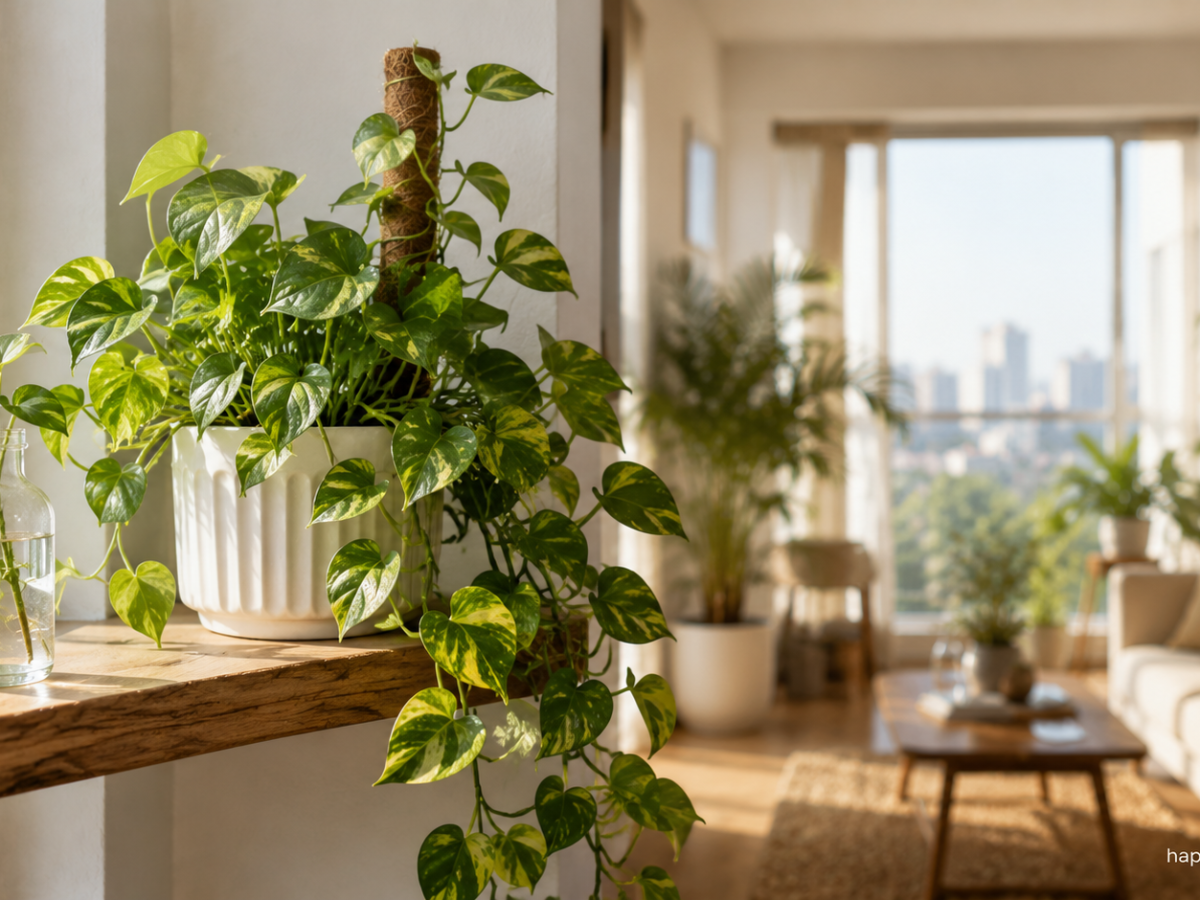
1. Money Plant (Epipremnum aureum)
The undisputed king of Bengaluru apartments. Walk into any home in Indiranagar or Jayanagar and you'll find a Money Plant trailing from a shelf or climbing a wall. And there's a very good reason for that — it's virtually indestructible.
Linkt to buy Brazil money plant
Link to buy Chinese money plant
Light: Survives in low light, but grows faster with indirect bright light. Watering: Once a week — or even less in winter. Air purifying: Yes — removes formaldehyde and benzene. Best placement: Shelf, bookcase, bathroom window, kitchen counter, balcony railing. Pro tip: Grows equally well in a bottle of water — no soil required. Vastu bonus: Attracts prosperity when placed in the south-east corner of your home.
2. Snake Plant / Sansevieria (Sansevieria trifasciata)
If you're a forgetful waterer or a frequent traveller — the Snake Plant is your perfect plant. It's been called 'the plant you have to try to kill' — and that's barely an exaggeration. NASA's Clean Air Study identified it as one of the top air-purifying houseplants, making it a must-have for Bengaluru's apartment air quality.
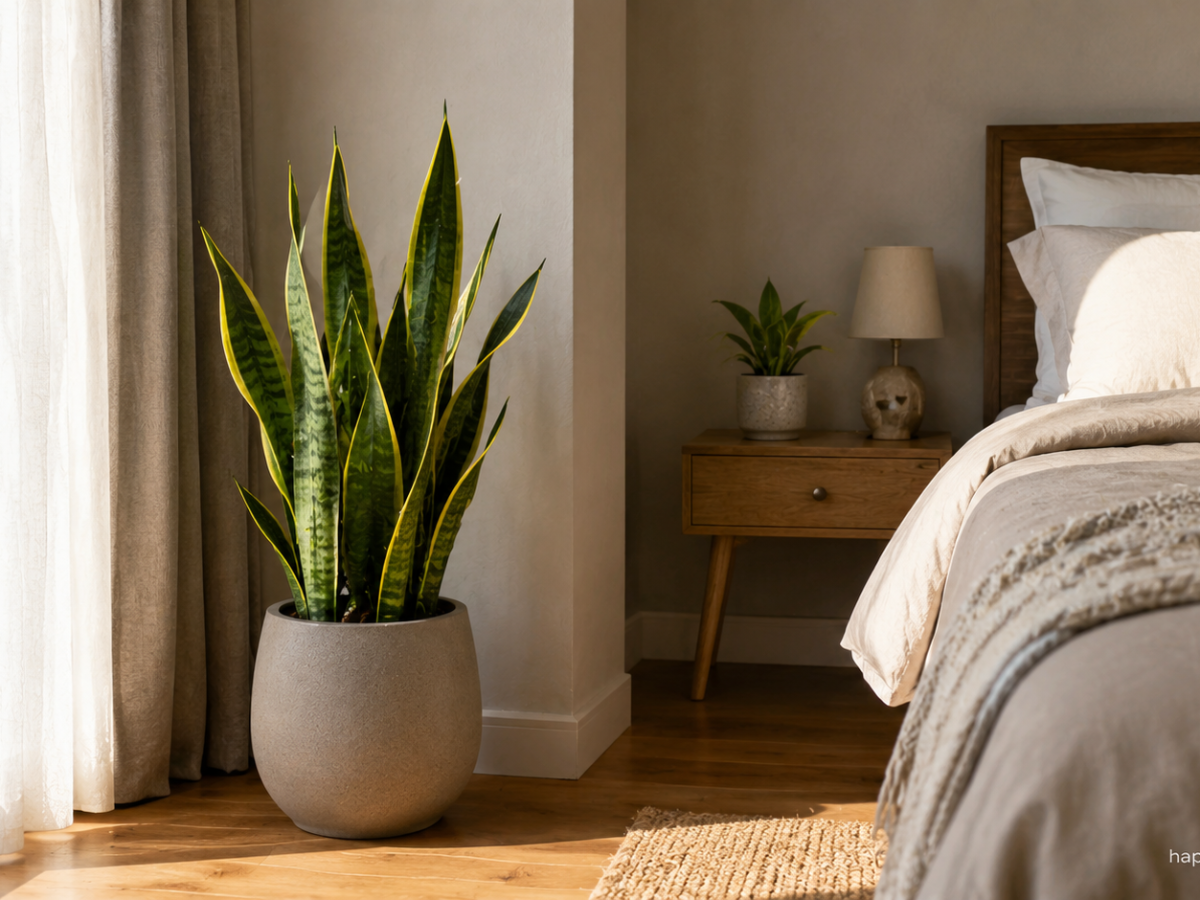
Light: Thrives in low light — even a corridor or dimly lit bedroom. Watering: Once every 2–3 weeks (less in winter). Overwatering is the only real danger. Air purifying: Removes toxins AND releases oxygen at night — ideal for bedrooms. Best placement: Bedroom corner, bathroom, hallway, home office. Bengaluru tip: Absolutely thrives in the city's climate year-round — zero seasonal stress.
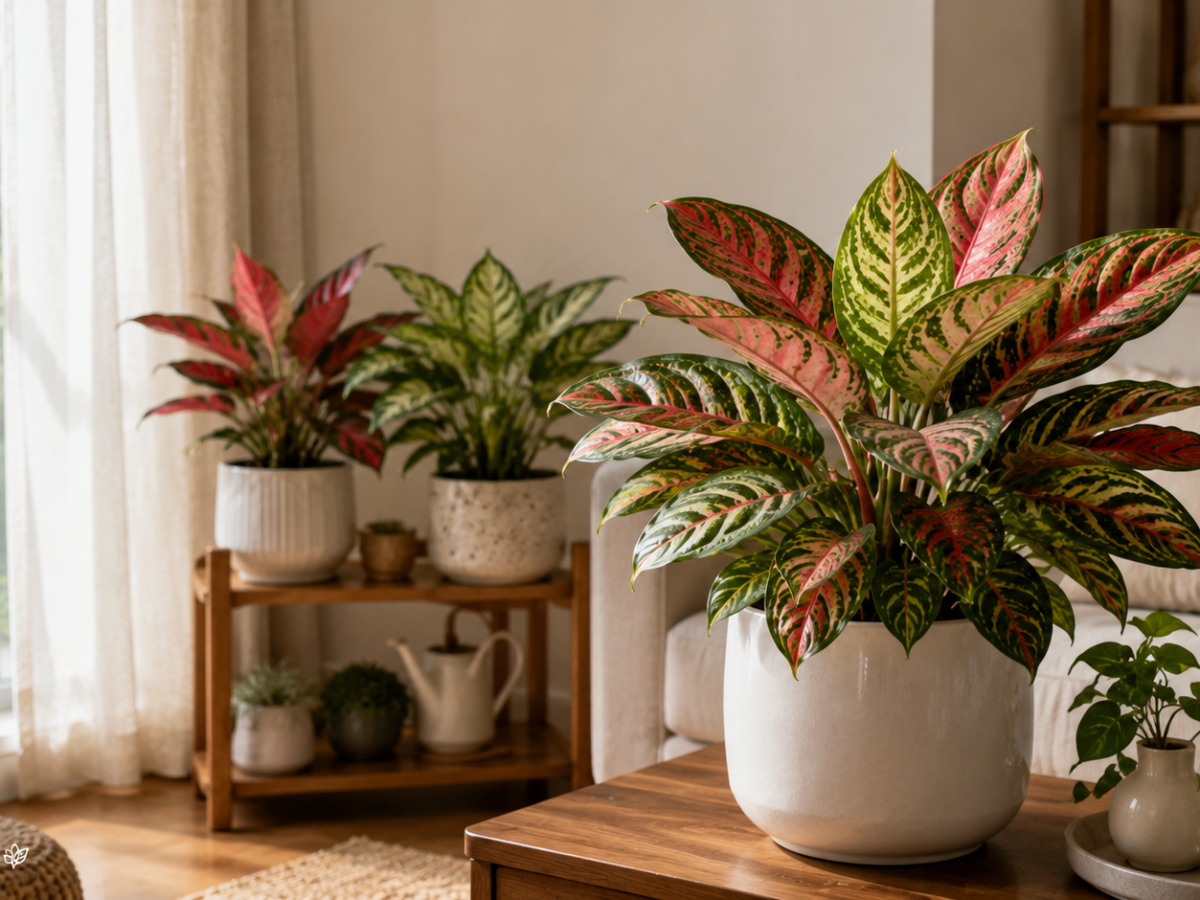
3. Aglaonema / Chinese Evergreen
Aglaonema is the glamour queen of indoor plants — and she thrives in Bengaluru apartments. With leaves in shades of deep green, silver, red, and pink, Aglaonema adds colour to rooms that don't get direct sunlight. It's also one of the most forgiving plants in terms of neglect.
Link to buy aglonema chinese evergreen
Light: Prefers low to medium indirect light — perfect for rooms without windows facing east/west. Watering: Moderate — allow the top inch of soil to dry between waterings. Air purifying: Excellent — one of the top plants for improving indoor air quality. Best placement: Living room centre table, bedroom side table, home office desk. Bengaluru tip: The humidity of Bengaluru keeps Aglaonema leaves naturally glossy.
4. Spider Plant (Chlorophytum comosum)
One of the most cheerful plants you can own — Spider Plant produces long arching green-and-white striped leaves and sends out 'babies' (tiny plantlets) that dangle like spiders on silk threads. It's one of NASA's top-rated air purifiers and an absolute beginner's dream.
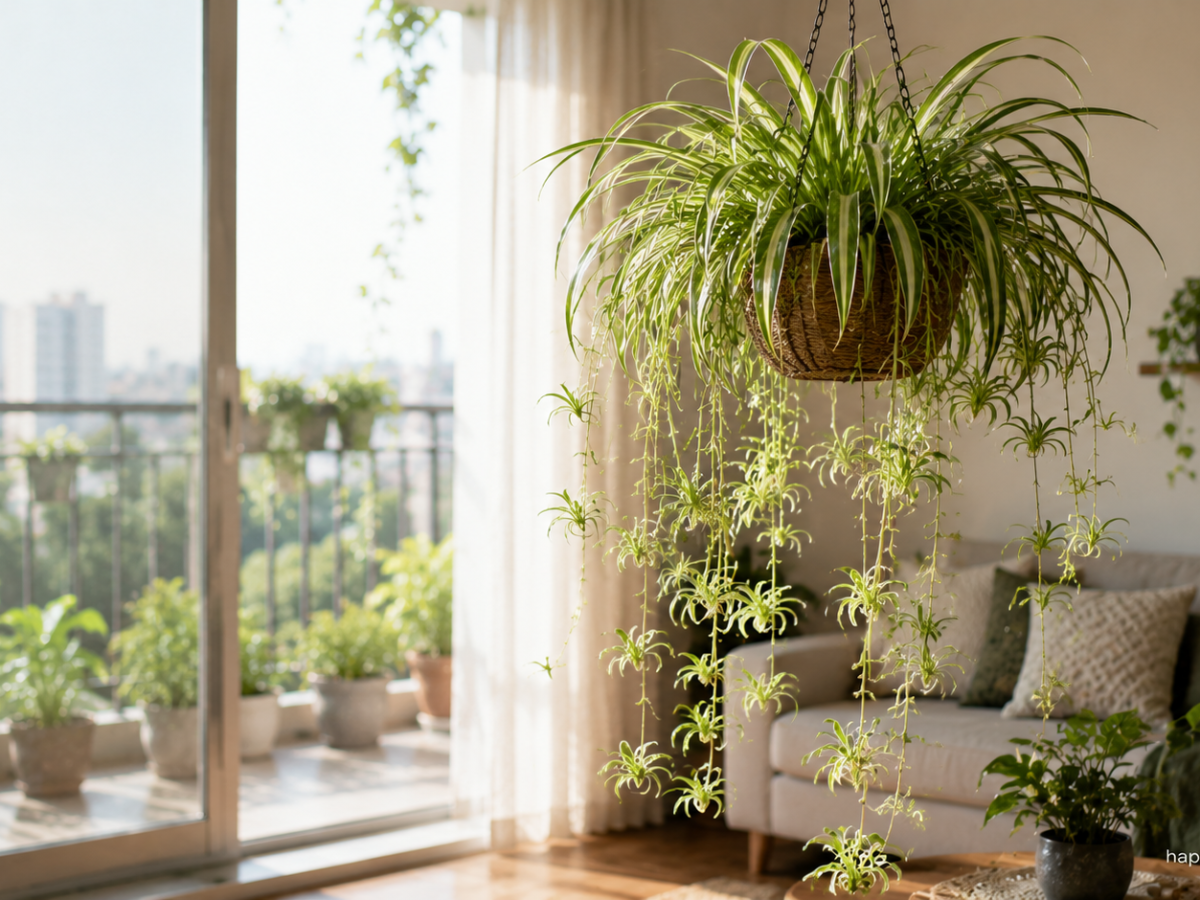
Light: Bright indirect light is ideal, but tolerates low light well. Watering: Water when the top soil feels dry — forgiving of inconsistency. Air purifying: Top-ranked for removing carbon monoxide and formaldehyde. Best placement: Hanging baskets, high shelves, balcony shade spots. Bengaluru tip: Hangs beautifully on balcony hooks in the indirect morning light that east-facing Bengaluru apartments receive. Bonus: The baby plantlets can be propagated into new plants — one pot becomes ten!
5. Syngonium / Arrowhead Plant
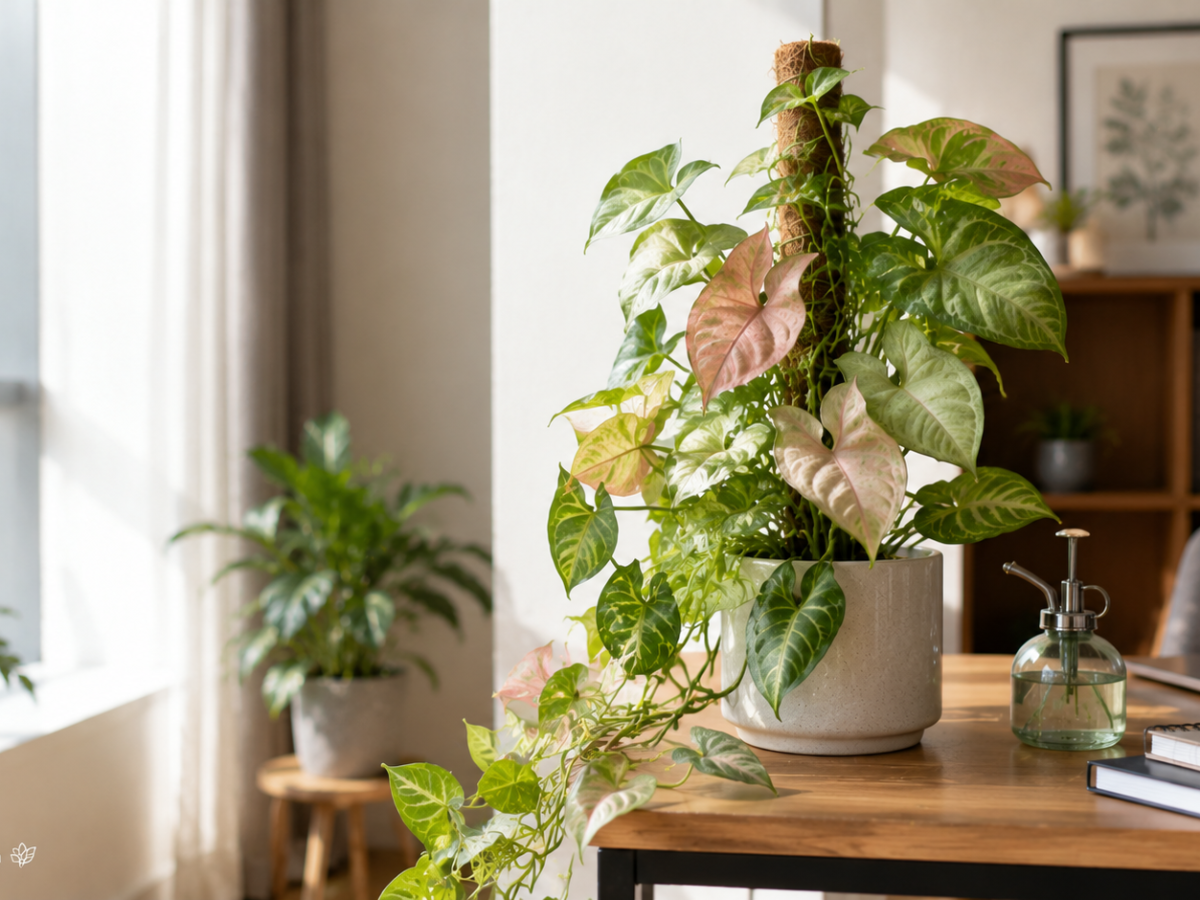
Syngonium is one of those plants that looks expensive and architectural but costs very little and needs almost zero effort. Its arrow-shaped leaves come in shades of green, white, and pink — and it adapts to trailing, climbing, or sitting in a pot depending on your preference.
Link to buy Syngonium arrowhead plant
Light: Low to moderate indirect light — perfect for north-facing Bengaluru apartments. Watering: Once a week — allow soil to dry slightly between waterings. Air purifying: Yes — reduces airborne microbes and VOCs. Best placement: Bathroom window ledge, study table, kitchen shelf. Pro tip: Mist the leaves weekly during Bengaluru's dry pre-monsoon months (March–May).
6. Aloe Vera
No indoor plant list is complete without Aloe Vera — the plant that doubles as your medicine cabinet. Bengaluru's warm climate suits it perfectly, and it asks for almost nothing in return.
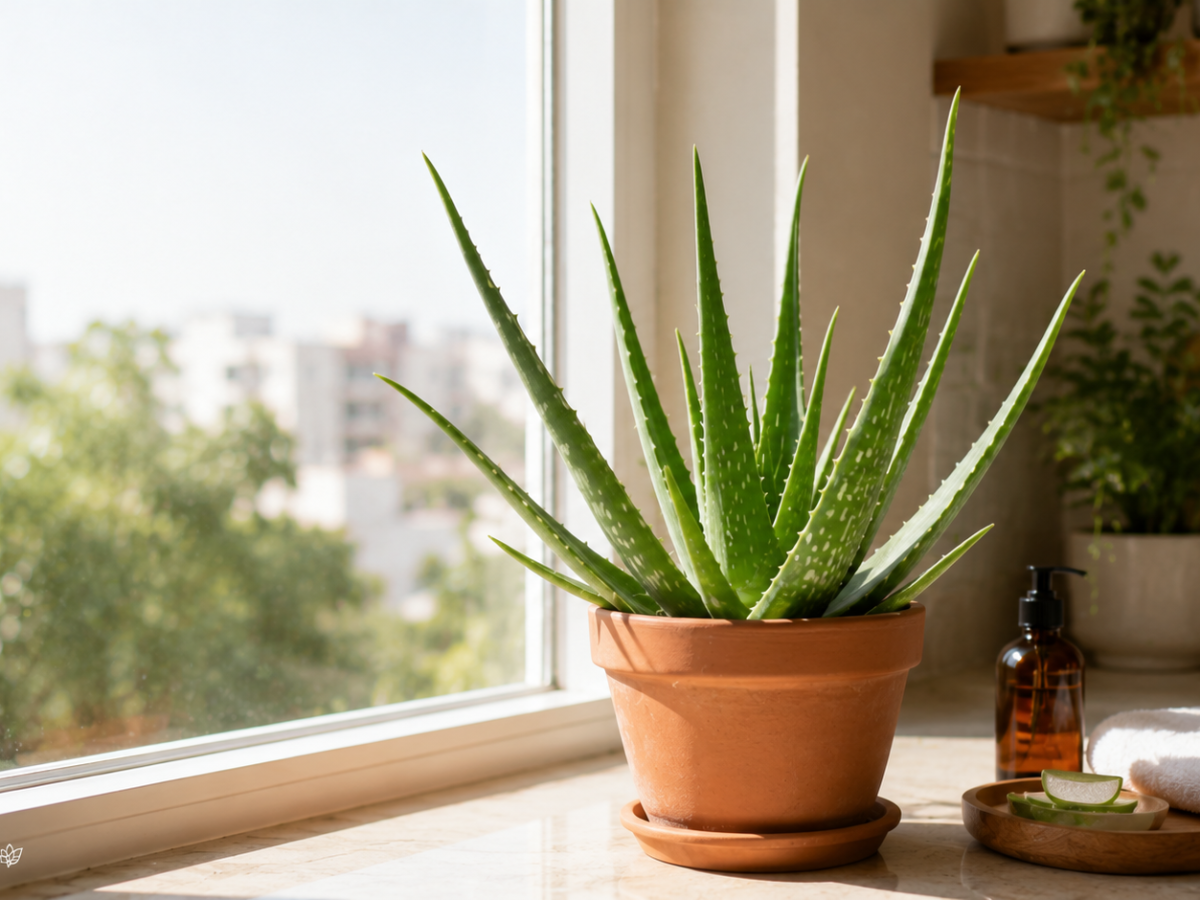
Light: Bright indirect light — a sunny windowsill is ideal. Watering: Once every 10–14 days — a true drought-tolerant succulent. Medicinal uses: Gel for sunburn, skin care, hair care, minor cuts. Best placement: Kitchen windowsill (most used medicinally), bathroom vanity, study table. Bengaluru tip: Keep in a terracotta pot for best drainage — Bengaluru's humidity can cause root rot in poorly draining pots.
7. Dieffenbachia (Dumb Cane)
For large, tropical-looking indoor statement plants — Dieffenbachia is unmatched. It grows tall with large, creamy-white and green patterned leaves that make any living room look like a luxury hotel lobby.
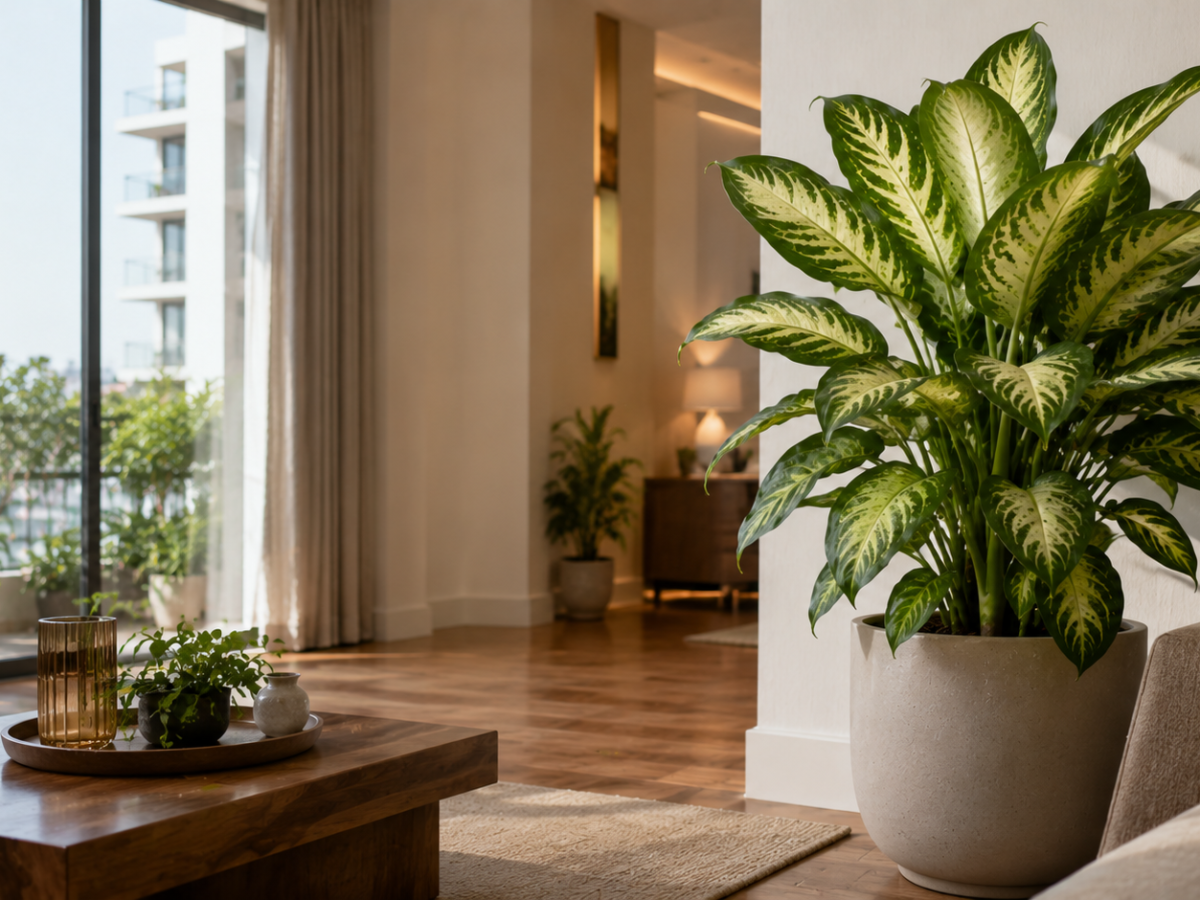
Light: Medium indirect light — tolerates lower light levels. Watering: Once a week; reduce in winter. Air purifying: Excellent — absorbs toxins from new furniture and paint. Best placement: Living room corner, building entrance, home office. Important note: Keep away from children and pets — sap is irritating if ingested. Bengaluru tip: Perfect for large living rooms in apartments in Marathahalli or Sarjapur Road where interiors tend to be spacious.
🏠 Which Plant Works Best for Each Room in Your Bengaluru Apartment?
Here is a quick room-by-room recommendation: Living Room (Aglaonema, Dieffenbachia, Syngonium), Bedroom (Snake Plant, Money Plant), Kitchen (Aloe Vera, Money Plant in water), Bathroom (Spider Plant, Syngonium), Home Office (Aglaonema Silver Bay, Spider Plant), and Balcony (Spider Plant, Coleus).
🌱 Beginner's Care Routine for Bengaluru Apartment Plants
You don't need a green thumb. You just need a routine. Every Sunday: Check if soil is dry (poke finger 1 inch in — if dry, water it), wipe large leaves with a damp cloth, check for yellowing leaves or pests. Every 2 weeks: Rotate pots so all sides get equal light, feed with diluted liquid fertiliser (March–October). Every 3 months: Check if roots are coming out of drainage holes, clean and rinse decorative pot trays.
❌ Top 5 Mistakes Bengaluru Apartment Plant Owners Make
1. Overwatering — The #1 plant killer.
2. Placing plants in AC direct blast.
3. Buying sun-loving plants for dark apartments.
4. Using garden soil in pots.
5. Fertilising in winter.
Frequently Asked Questions (FAQs)
Q: Which indoor plant is best for a Bengaluru apartment with no balcony?
Snake Plant, Aglaonema, and Money Plant are the top three for rooms with minimal natural light.
Q: Which plants are safe for homes with babies and toddlers in Bengaluru?
Money Plant, Spider Plant, and Aloe Vera are generally considered safe. Avoid Dieffenbachia and Aglaonema.
Q: How often should I water indoor plants in Bengaluru?
Most indoor plants in Bengaluru need watering once every 7–10 days. During monsoon (June–September), the humidity reduces the need.
Q: Can I keep indoor plants in an AC room in Bengaluru?
Yes, but keep them away from the direct flow of air conditioning.
Q: Where can I buy indoor plants online in Bengaluru with home delivery?
Happy Greenery delivers fresh, healthy indoor plants across Bengaluru. Browse our full collection at happygreenery.in/shop.
Conclusion
Bengaluru's 2026 monsoon season is your invitation to garden. The city's unique climate, consistent rainfall, and mild temperatures create growing conditions that are hard to match anywhere in India. With the right plant choices, proper soil preparation, and a few smart pest management habits, your monsoon garden can be the most productive and beautiful it's ever been.
Start with just one plant this week. Put it somewhere you'll see it every day. Watch it grow. That single plant will change how your home feels. And once it does — you'll want more.
Comments
Join the Conversation
Sign in with Google to post comments, ask questions, or reply to other readers.
No comments yet. Share your thoughts!