Best Plants for Aquatic Gardens: Why Monsoon is the Perfect Time to Create Your Dream Water Garden
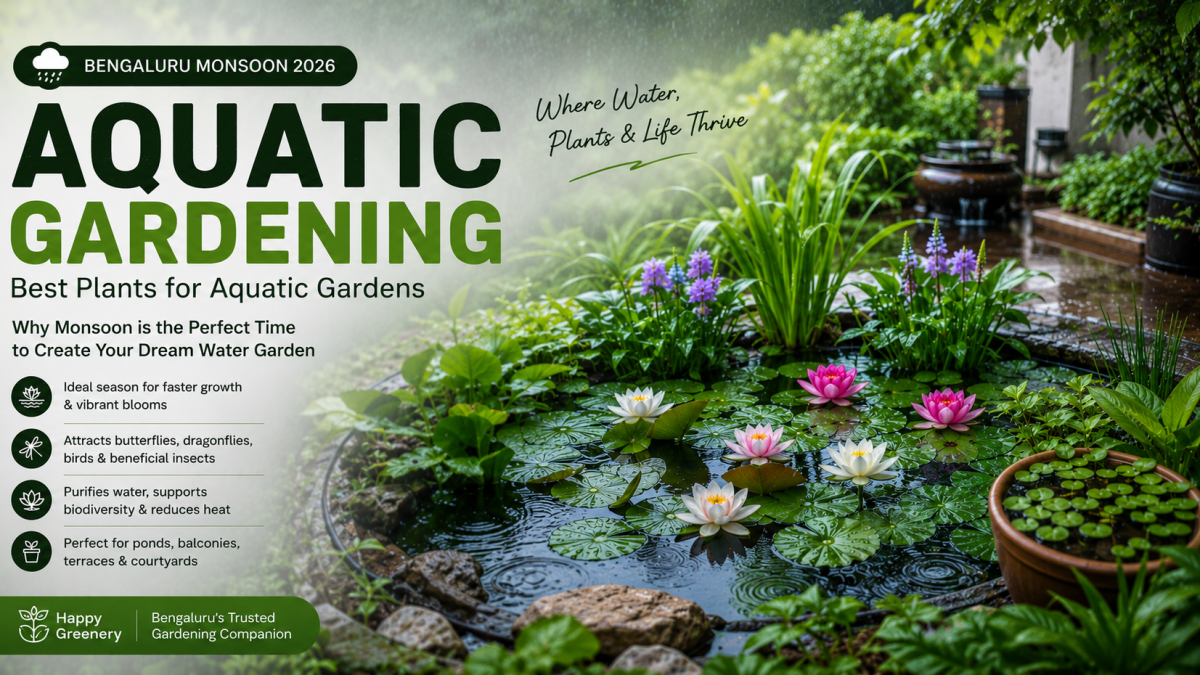
The arrival of the monsoon season transforms nature into its most vibrant form. Gentle rains, pleasant temperatures, and abundant water create the ideal conditions for establishing an aquatic garden. Whether you have a spacious backyard pond, a terrace water feature, or even a small balcony tub, this is the best time to start growing aquatic plants.
Aquatic gardens are more than just decorative—they attract butterflies, dragonflies, birds, and beneficial insects while creating a peaceful environment around your home. With minimal care and the right plant selection, your water garden can remain beautiful throughout the year.
Why Monsoon is the Best Season to Start an Aquatic Garden?
Starting your water garden during the rainy season offers several unique advantages: Natural Water Availability (rainwater replenishes ponds and containers naturally, maintaining consistent water levels and providing soft, mineral-rich water that aquatic plants love), Moderate Temperature (most aquatic plants establish faster in temperatures between 22°C and 30°C, making monsoon ideal for root development and reducing transplant shock), Faster Growth (high humidity and regular rainfall encourage vigorous leaf and root growth), Better Flowering (many aquatic flowering plants begin blooming during the rainy season), and Rich Biodiversity (water gardens quickly become vital habitats for butterflies, dragonflies, honey bees, and birds, creating a balanced ecosystem).
Different Types of Aquatic Plants
To build a healthy, clear, and balanced water garden, it is important to include a variety of plant types. Aquatic plants are generally classified into four main categories.
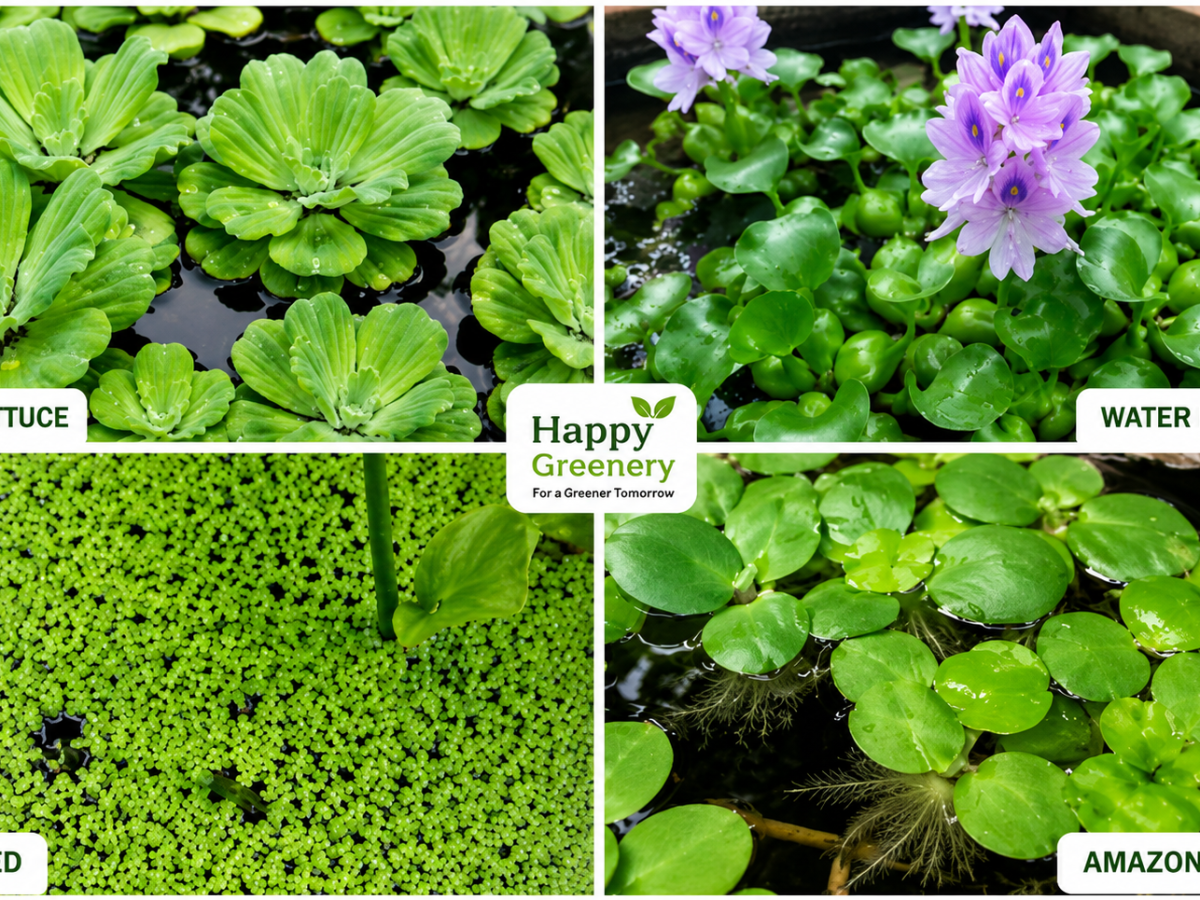
1. Floating Plants
These float freely on the water surface without being rooted in soil. They move with the breeze and provide excellent cover for the water below. Examples: Water Lettuce (Pistia stratiotes), Water Hyacinth (Eichhornia crassipes), Duckweed (Lemna minor), and Amazon Frogbit (Limnobium laevigatum). Benefits: Controls algae by blocking sunlight, provides shade for fish, absorbs excess nutrients, and reduces water temperature.
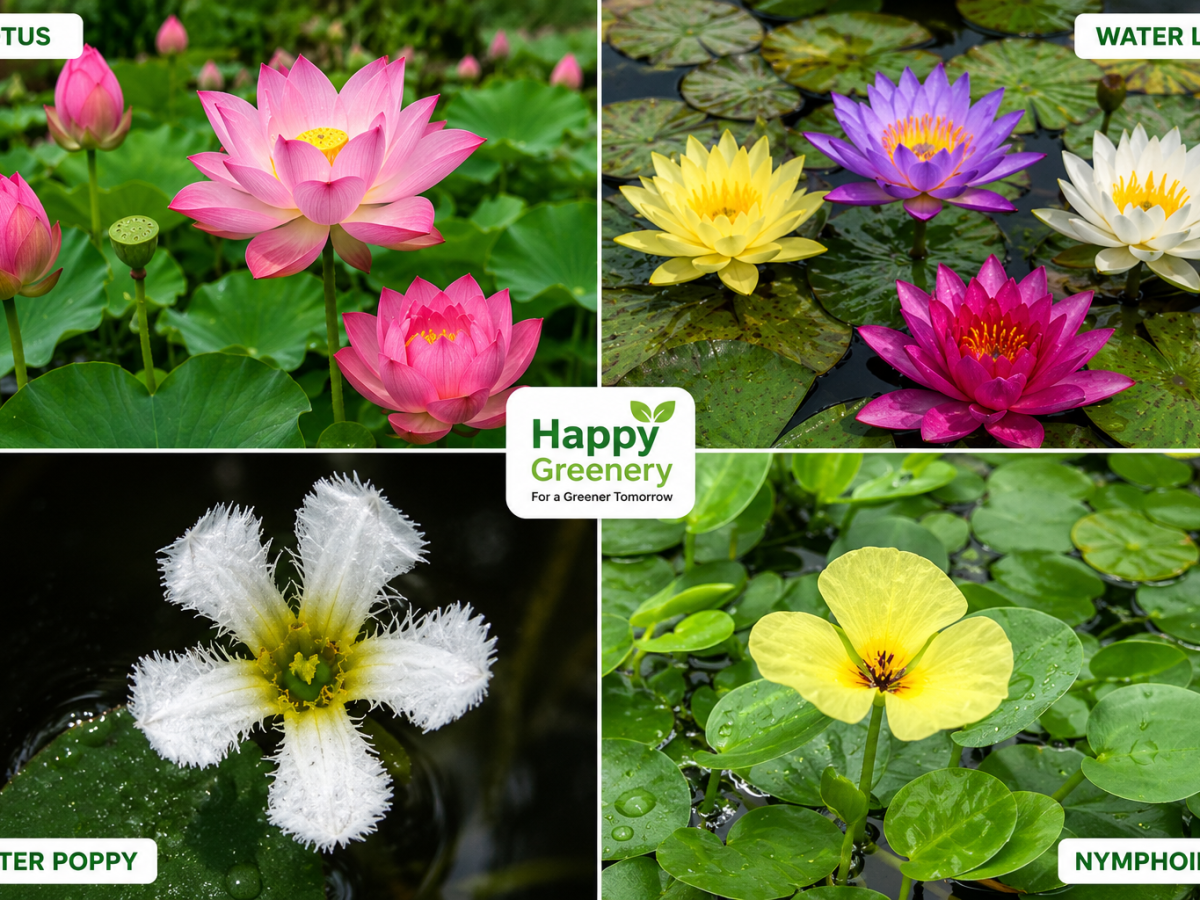
2. Floating-Leaved, Rooted Plants
These plants have their roots firmly anchored in the soil at the bottom of the pond or container, while their long stems grow upward so their leaves and flowers float on the surface. Examples: Lotus (Nelumbo nucifera), Water Lily (Nymphaea), Water Poppy (Hydrocleys nymphoides), and Nymphoides (Water Snowflake).
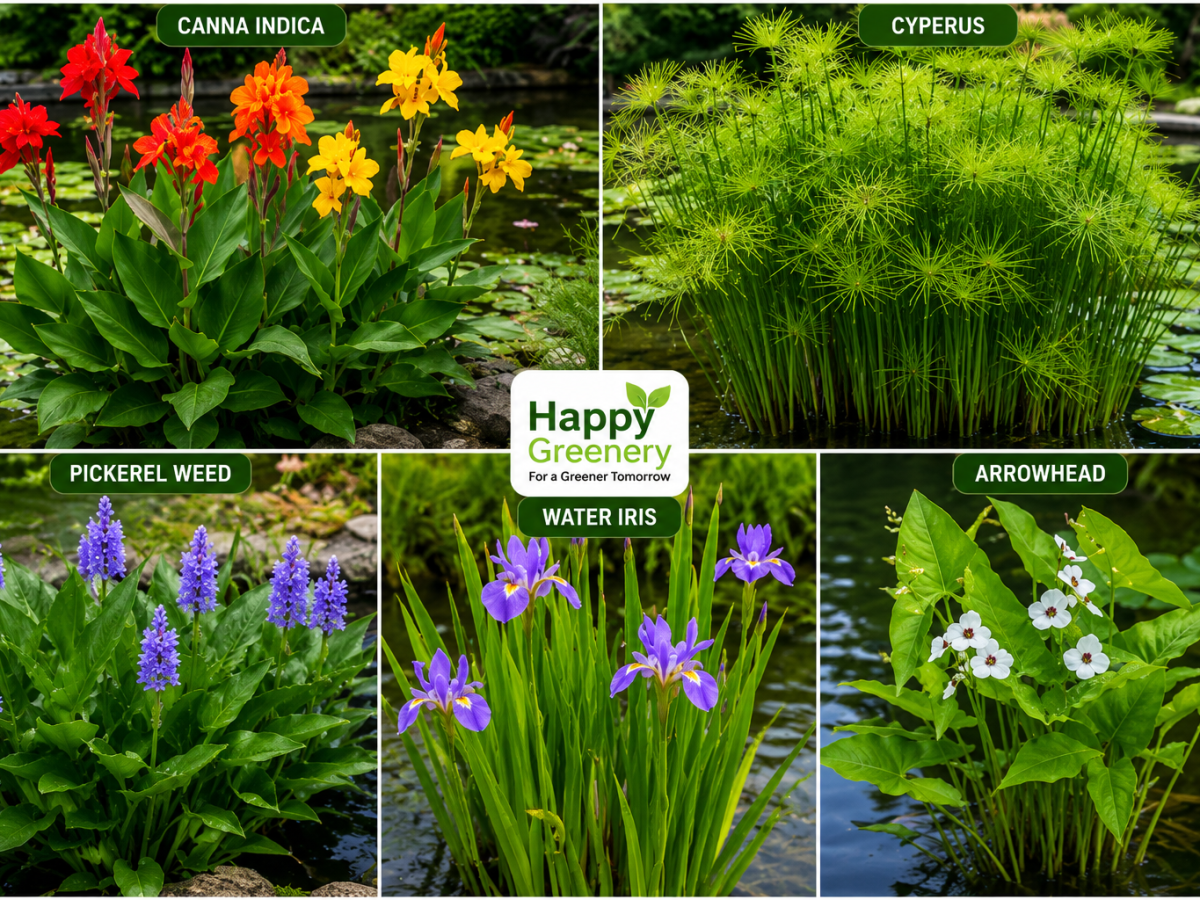
3. Marginal Plants
Marginal plants grow along the shallow edges of ponds or in damp, muddy soils where their roots remain submerged but their foliage and flowers grow entirely above the water level. Examples: Canna indica, Cyperus (Umbrella Papyrus), Pickerel Weed (Pontederia cordata), Water Iris (Iris pseudacorus), and Arrowhead (Sagittaria).
4. Oxygenating Plants
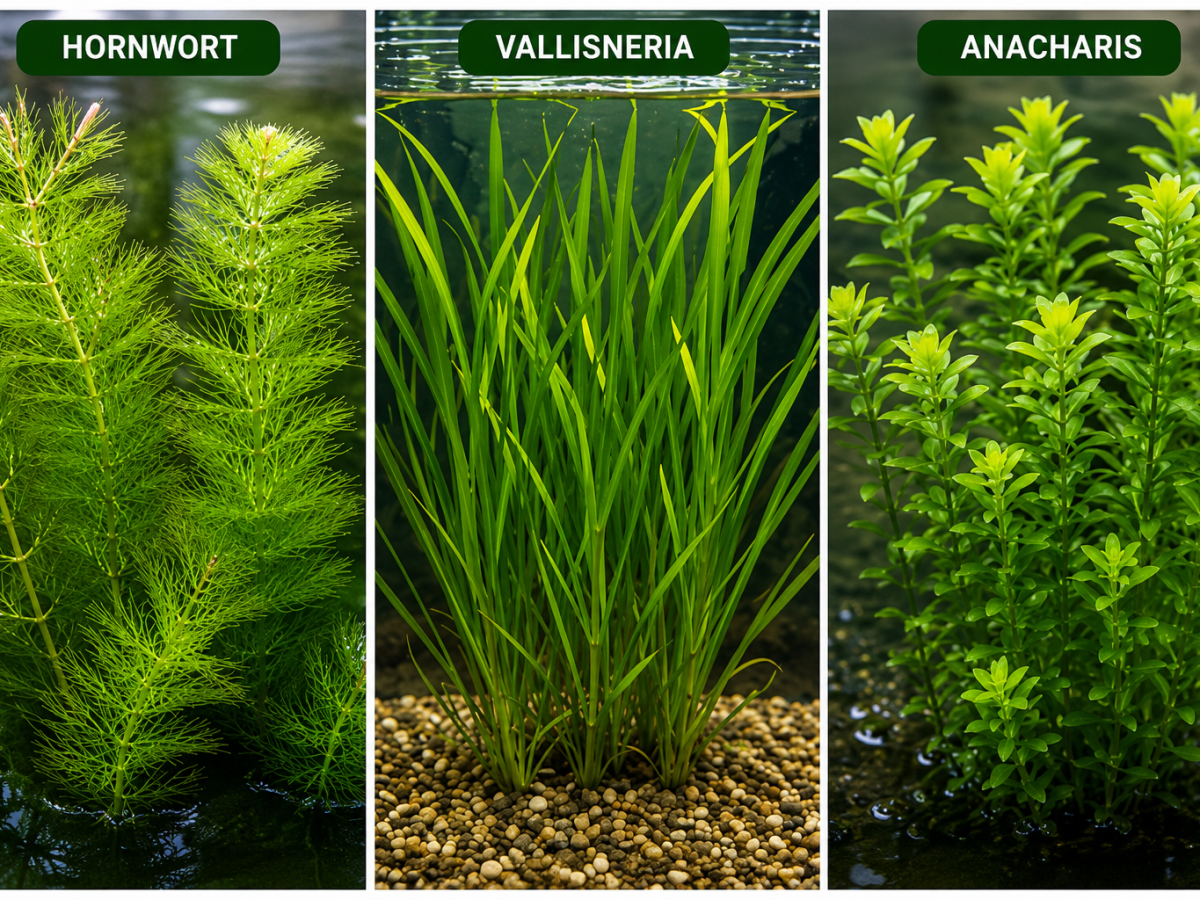
These plants remain mostly submerged underwater. They play a critical role in the health of the pond by producing oxygen during the day and filtering out waste. Examples: Hornwort (Ceratophyllum demersum), Vallisneria (Tape Grass), and Anacharis (Elodea). Benefits: Increases dissolved oxygen levels, prevents green water and algae growth, improves overall water quality, and supports fish health.
Moisture-Loving Companion Plants
In addition to true aquatics, you can surround your water garden or line your damp borders with moisture-loving terrestrial plants. These create a lush transition zone between land and water.
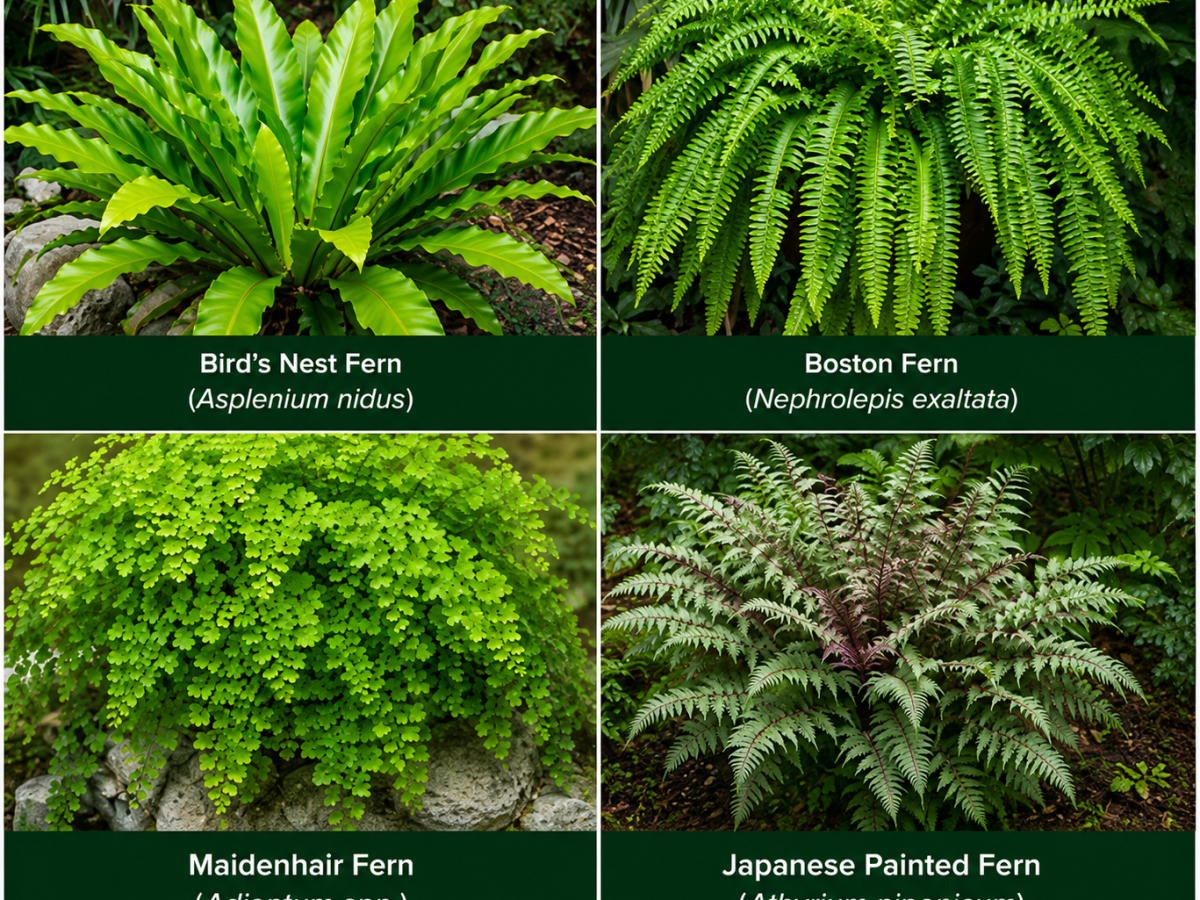
Ferns Suitable for Moisture Conditions
Ferns thrive in the humid, damp margins of water features, offering delicate textures and bright green fronds.
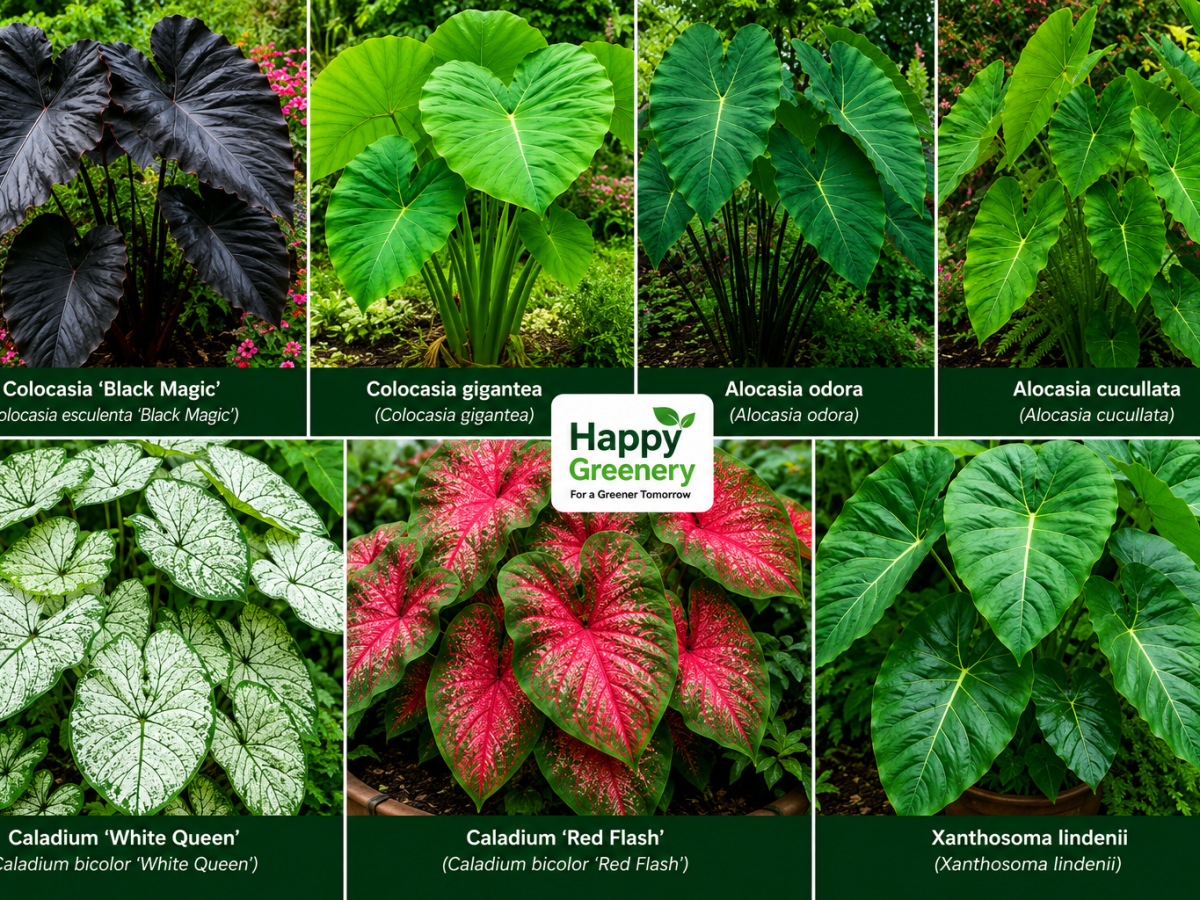
Foliage Plants Suitable for Moisture Conditions
Broad-leaved foliage plants like Taro, Elephant Ears, and Caladiums add structural variety and deep color to wet areas.
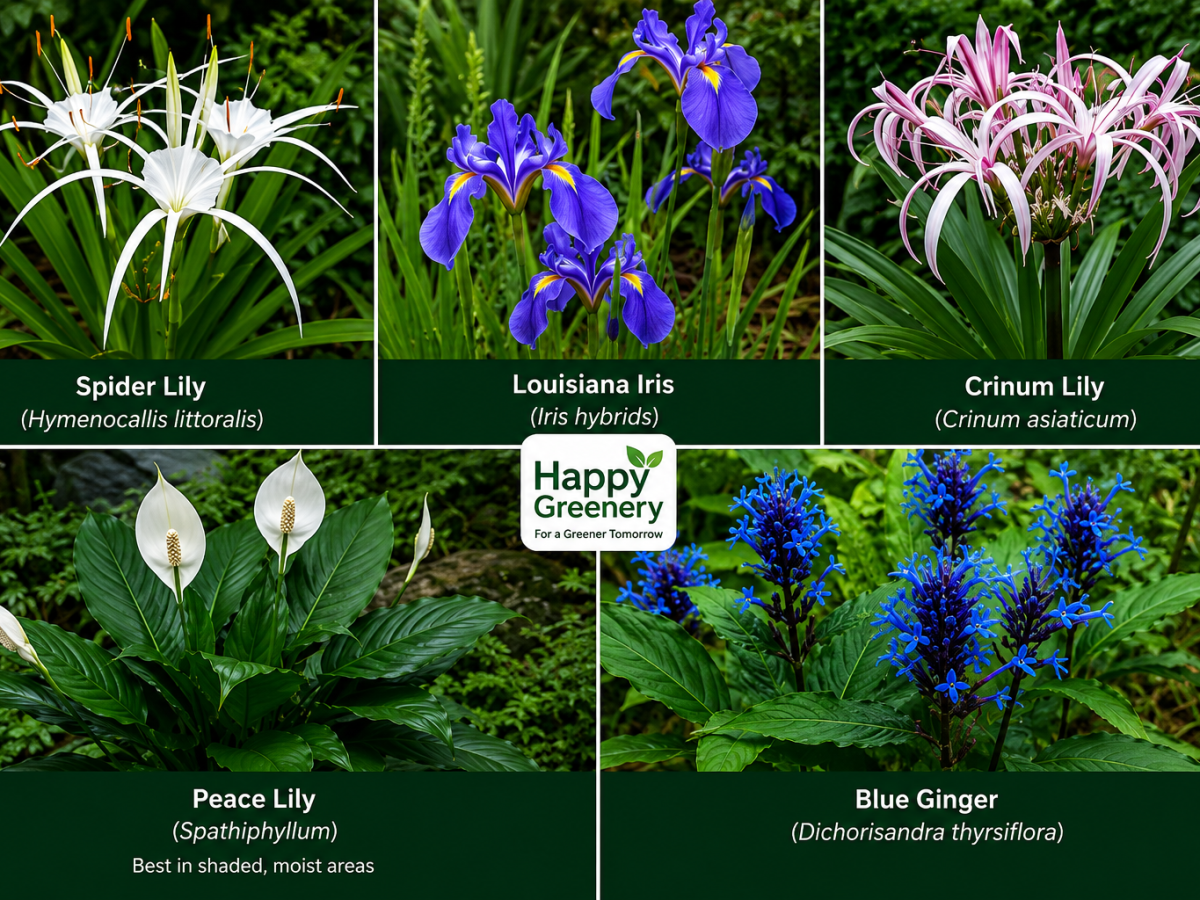
Flowering Plants Suitable for Moist Conditions
Plants like Canna lilies, Marsh Marigolds, and Primroses love wet roots and bring bright bursts of color to the water's edge.
Grasses and Sedges Suitable for Moist Conditions
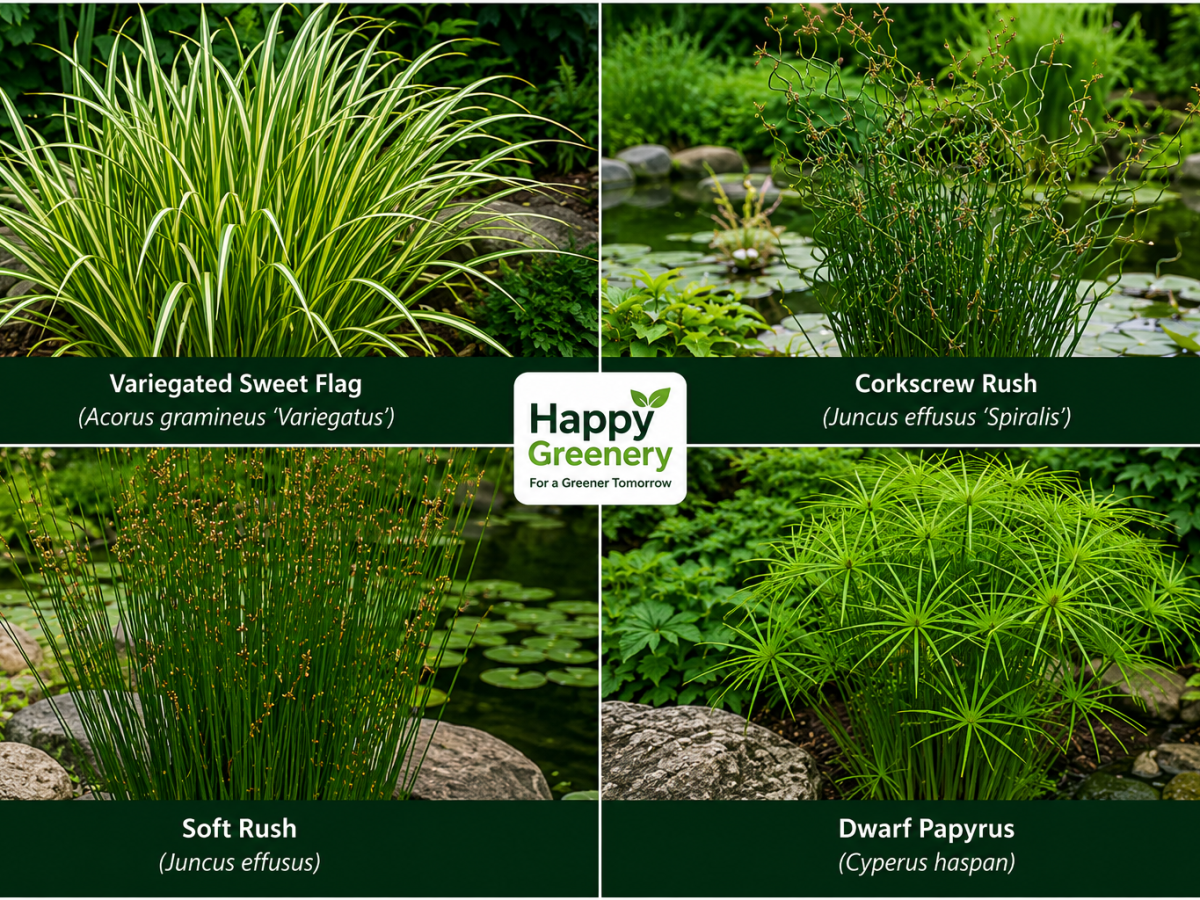
Rushes, sedges, and ornamental grasses add movement, texture, and natural wild charm to the pond border.
Fishes Suitable for Aquatic Gardens
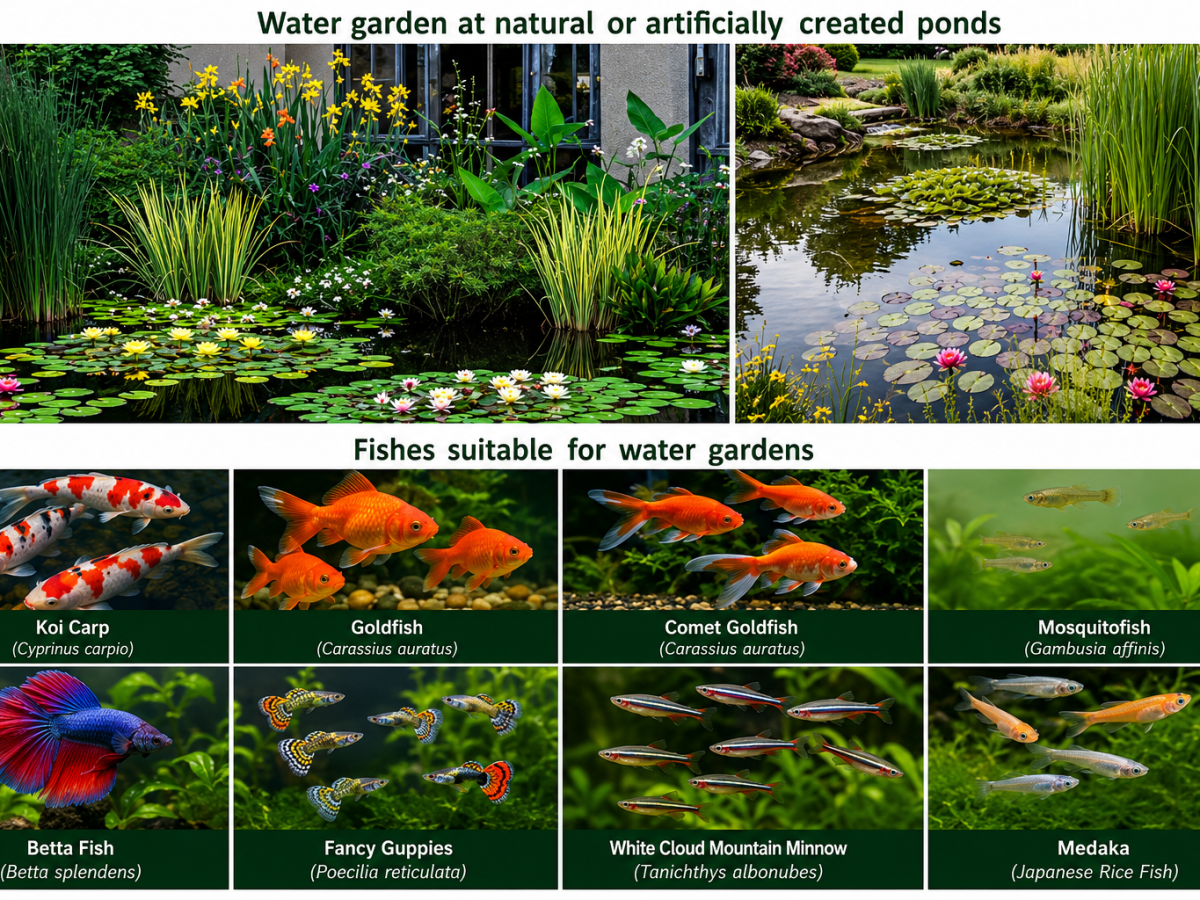
A fish water garden combines ornamental fish with aquatic plants, creating a vibrant, interactive, and self-regulating ecosystem. Examples: Koi Carp (Cyprinus carpio), Goldfish (Carassius auratus), Comet Goldfish, Mosquitofish (Gambusia affinis), Betta Fish (Betta splendens), Fancy Guppies (Poecilia reticulata), White Cloud Mountain Minnow (Tanichthys albonubes), and Medaka (Japanese Rice Fish).
Advantages of Adding Fish to Your Water Garden
Adding fish to your water garden has many benefits: Natural Mosquito Control (fish like Mosquitofish and Guppies feed on mosquito larvae, reducing mosquito populations naturally), Balanced Ecosystem (fish waste provides a continuous source of nutrients that plants absorb, supporting a natural nutrient cycle), Visual Appeal (colorful fish like Koi and Goldfish add movement and life), Algae Control (some fish species consume algae, helping prevent algal blooms), and Stress Relief (watching ornamental fish swim peacefully has a calming, therapeutic effect).
Water Garden Setups for Every Space
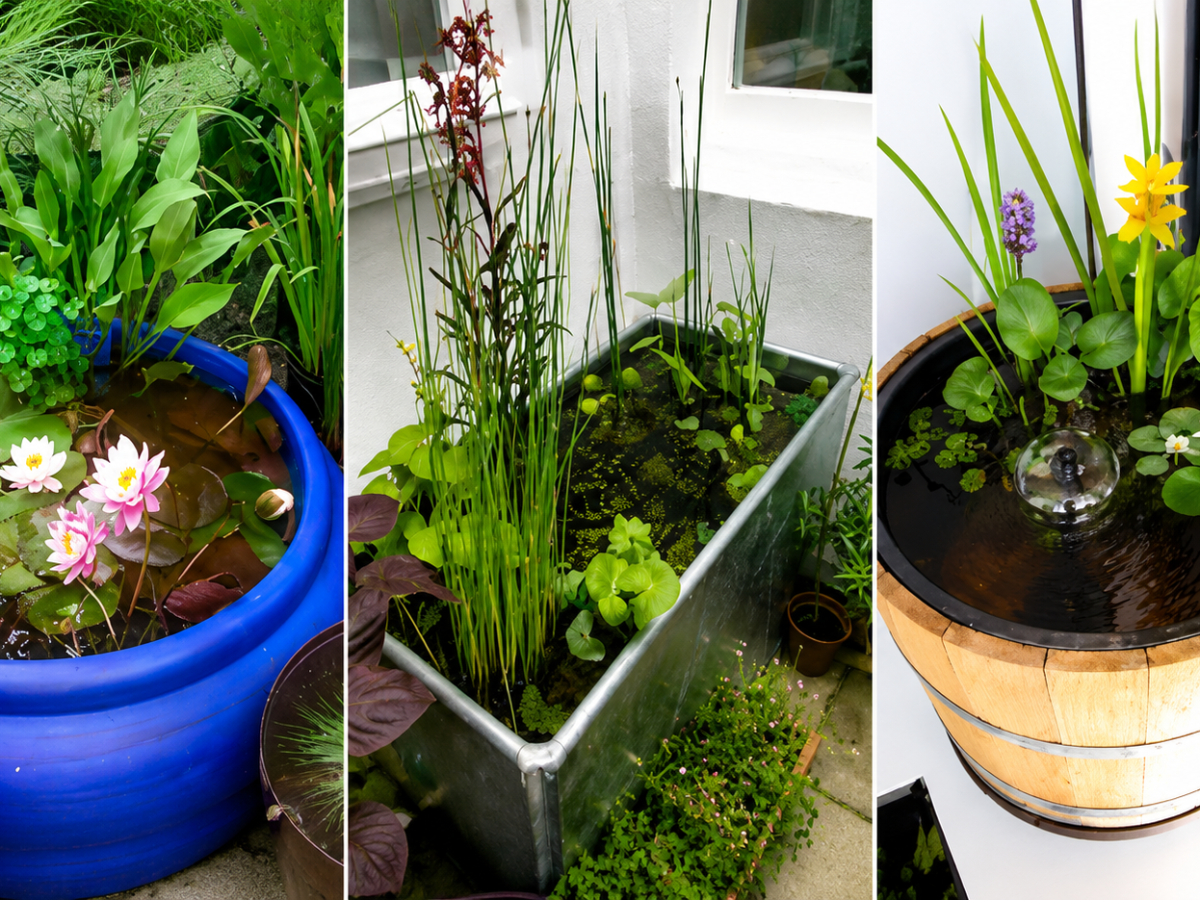
Container Water Gardens (Balcony & Terrace)
Perfect for apartments and smaller homes. A glazed ceramic pot, a stone trough, or a sturdy plastic tub can easily be turned into a mini water garden with dwarf water lilies and floating plants.
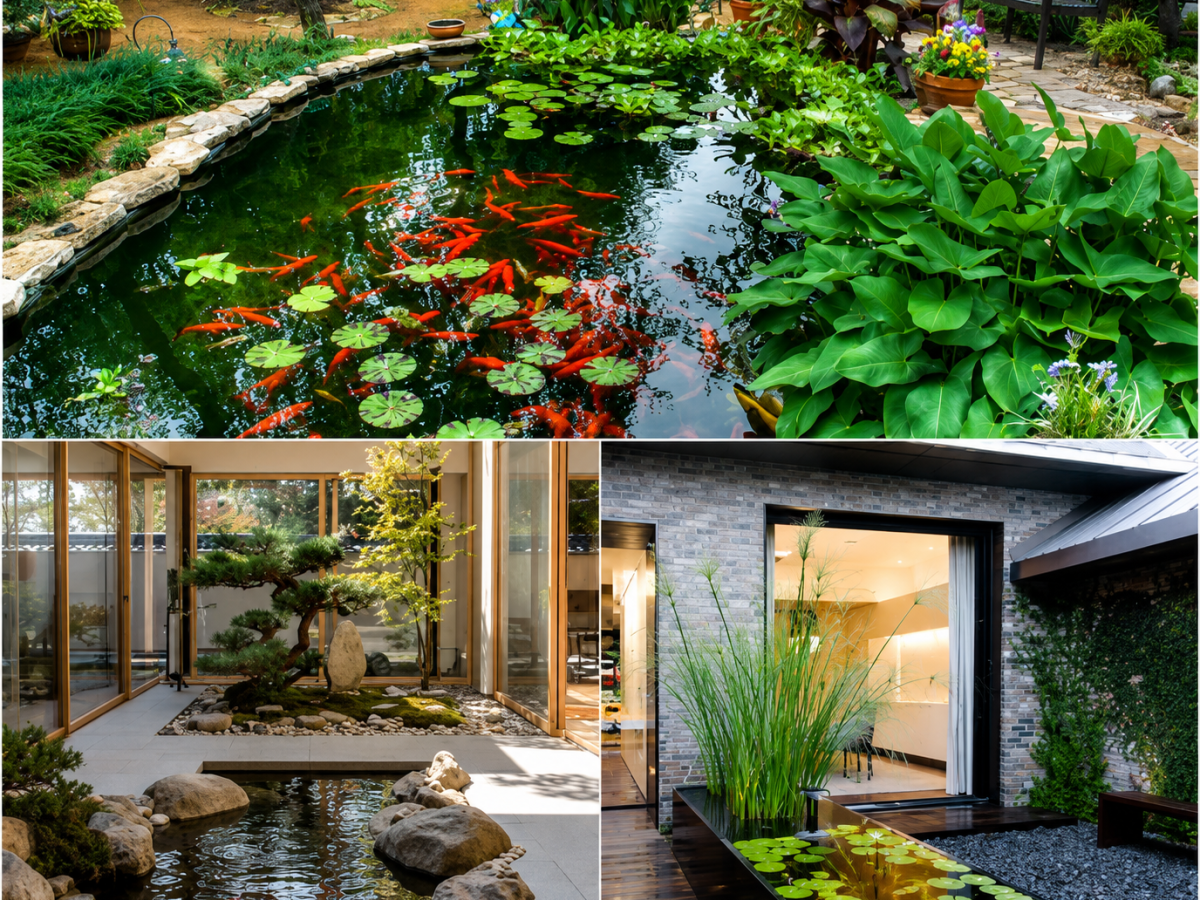
Courtyard Water Gardens
A central courtyard is a wonderful location for structured stone water basins or raised brick ponds. They act as a natural coolant for the home during warm days.
Natural or Artificially Created Ponds
For spacious backyards, dug-out ponds lined with high-quality pond liners offer the ultimate natural experience. You can blend marginal shelves, waterfalls, and deep zones for large Koi and Lotus.
Designing a Beautiful Aquatic Garden
Creating an eye-catching water garden is all about layering different plant types. A balanced aquatic garden should include: Lotus or Water Lily as focal plants in the center, Floating plants to cover 50-60% of the surface for shade, Marginal plants around the edges to build height and texture, and Oxygenating plants beneath the water to keep the environment clean. This combination ensures a healthy, clear, and visually appealing ecosystem.
Benefits of Aquatic Gardens
The advantages of starting an aquatic garden include: improving home aesthetics, creating a relaxing atmosphere, supporting local biodiversity (attracting birds, dragonflies, and butterflies), purifying water naturally, reducing ambient heat around the home through evaporation, enhancing landscape value, and providing a peaceful, tranquil space for meditation and mindfulness.
Conclusion
The rainy season offers nature's perfect invitation to build a serene aquatic retreat. With the right mix of lotus, water lilies, floating plants, and marginals, you can enjoy vibrant blooms, lush greenery, and a flourishing ecosystem right at home.
Ready to Create Your Own Water Garden? Don't wait! This monsoon is the perfect season to bring nature home. Visit www.happygreenery.in or Contact Us at +91 63622 09490 to explore our premium collection of aquatic plants and design your perfect aquatic paradise.
Looking for healthy indoor & outdoor plants in Bengaluru?
Explore our curated nursery collection delivered safe and fresh to your doorstep across Bangalore.
Explore Plant Shop →
Comments
Join the Conversation
Sign in with Google to post comments, ask questions, or reply to other readers.
No comments yet. Share your thoughts!