Monsoon Gardening in Bengaluru 2026 - Best Plants to Grow This Rainy Season

Why Monsoon is the Best Time to Start Gardening in Bengaluru
Bengaluru's monsoon season (June to September) is nothing short of magical for gardeners. The city receives an average rainfall of 800-1,000 mm annually, and the humidity rises, temperatures cool down from the scorching summer, and plants that were just surviving suddenly start thriving. The cool temperatures - usually between 20�C and 28�C - combined with high humidity create ideal growing conditions for both flowering plants and leafy varieties.
Here's why monsoon is your gardening goldmine: High humidity means faster root development - cuttings root more readily in moist air. Natural watering reduces your daily effort considerably. Cooler temperatures mean plants undergo less heat stress, leading to faster growth. And it's the best time to propagate - stem cuttings and divisions establish easily. Whether you have a large terrace in Jayanagar, a small balcony in Whitefield, or a windowsill in Koramangala - this guide is for you.
Top Monsoon Plants for Bengaluru Gardens and Balconies
The key to successful monsoon gardening is choosing plants that love moisture and humidity but can also handle occasional waterlogging. Here are the top plants suited specifically for Bengaluru's monsoon climate:
1. Rainy Lily (Zephyranthes)
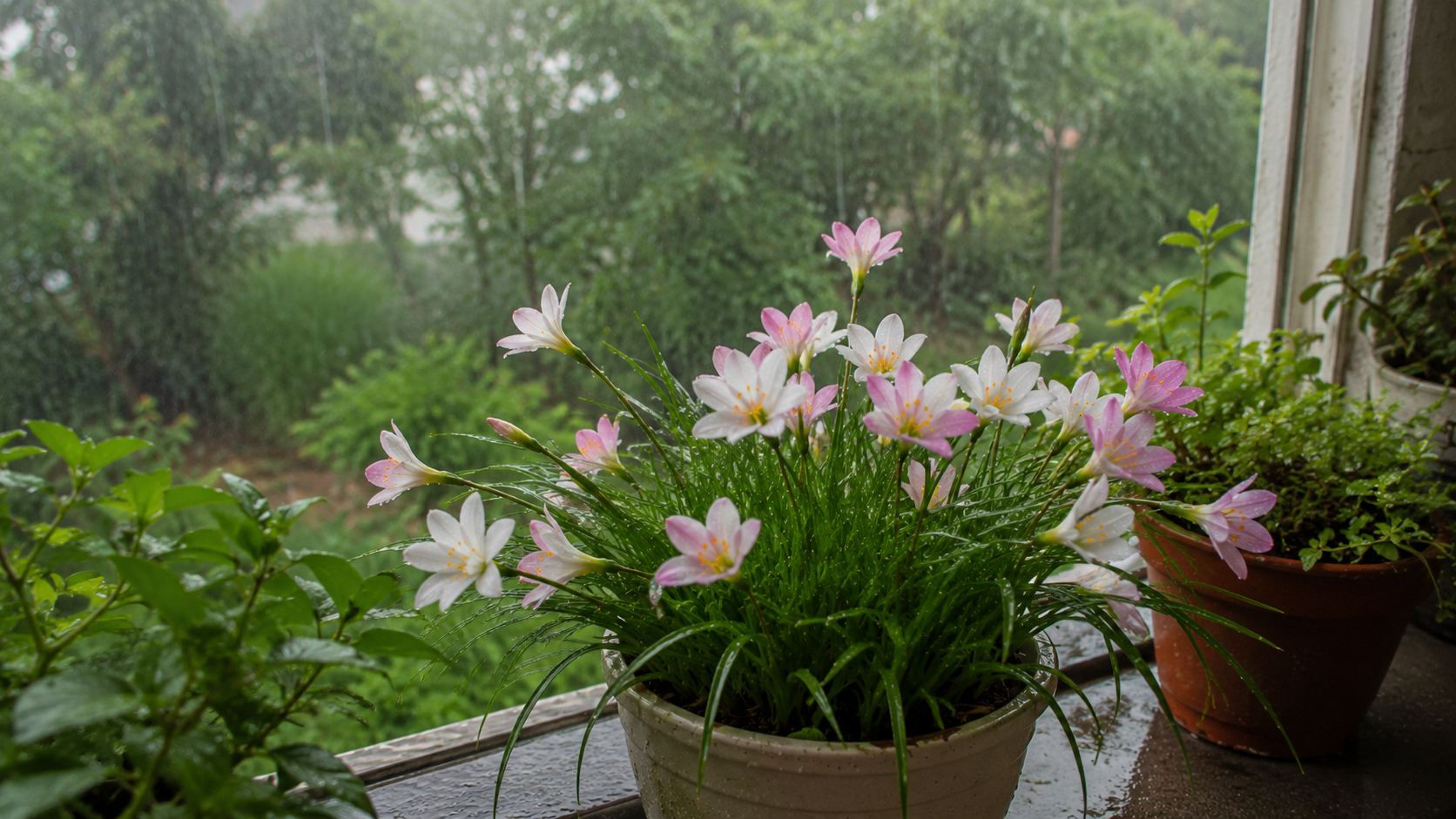
The star of the monsoon season. Rainy Lilies are named exactly for this - they bloom within days of the first heavy rain. These small, trumpet-shaped flowers in white, pink, or yellow are one of the most magical sights in a Bengaluru monsoon garden. They thrive in both full sun and partial shade, and bulbs are extremely hardy. Plant the bulbs just below soil level - they need very little attention once in the ground. Perfect for pots, ground borders, and terrace gardens. Bonus: they multiply quickly - one bulb becomes a cluster within a single monsoon season.
2. Coleus (Plectranthus scutellarioides)
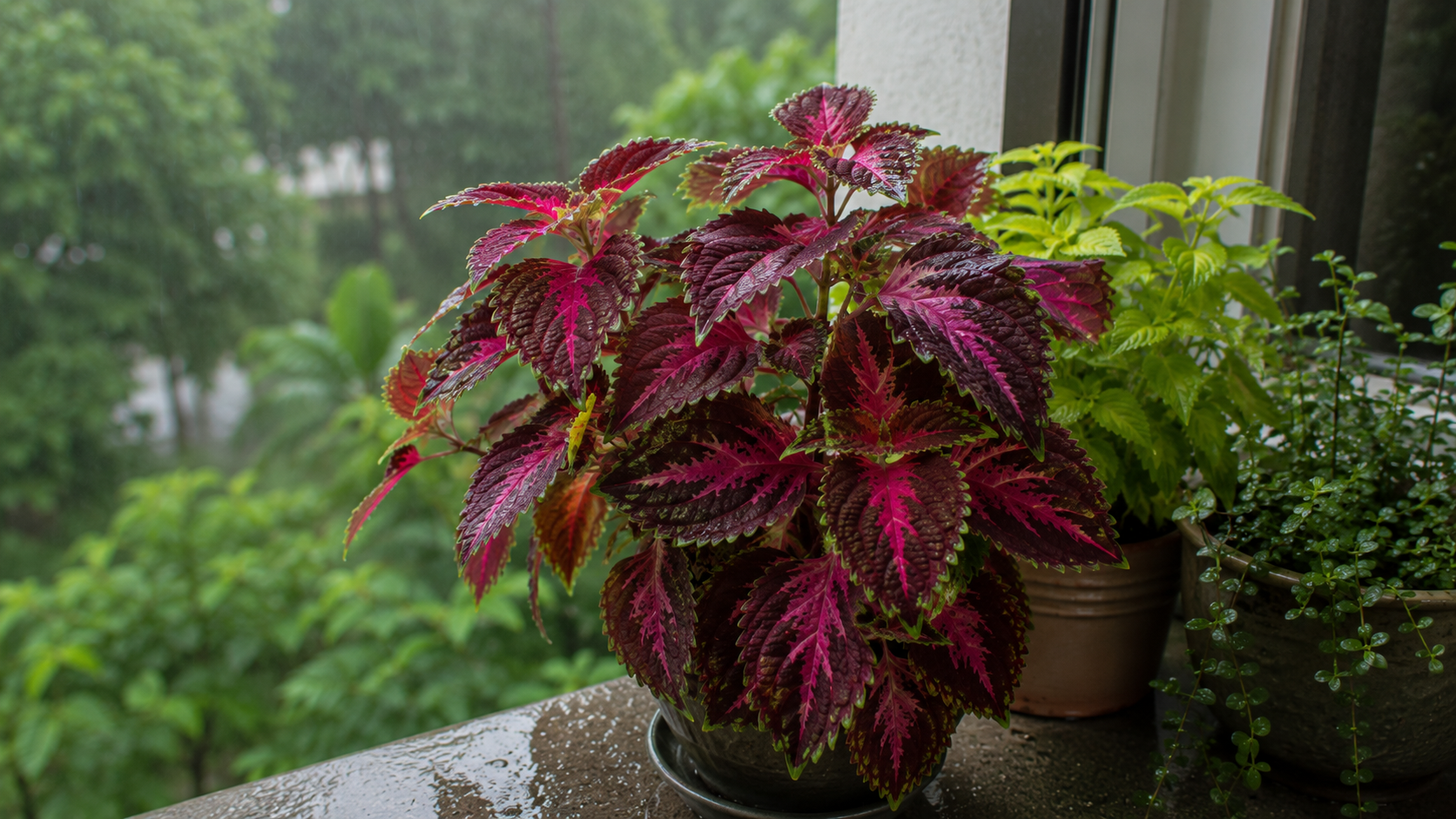
If Bengaluru's monsoon had a mascot plant, it would be Coleus. The heavy rainfall and high humidity are exactly what this flamboyantly coloured foliage plant loves. With leaves in shades of red, burgundy, pink, purple, lime green, and patterns like fishnet and velvet - Coleus is the most dramatic visual upgrade you can give your garden this season. It loves shade and moisture, making it perfect for north-facing balconies in apartments. Pinch off any flower buds to keep the foliage lush and bushy. Perfect for hanging baskets, window boxes, shaded balconies, and borders.
Shop Light Pink Fishnet Stocking Coleus
3. Canna Indica (Canna Lily)
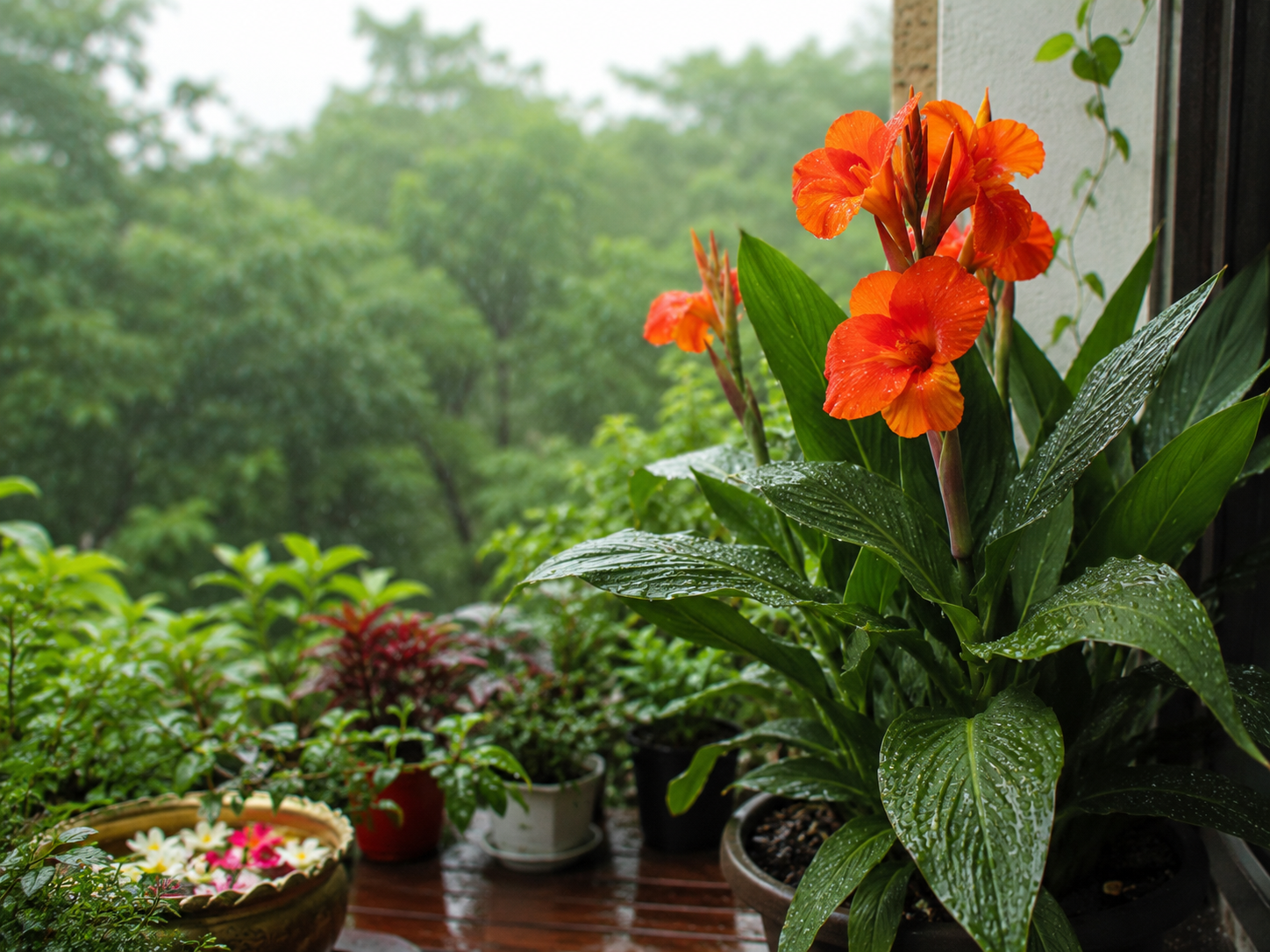
Want tall, bold tropical drama in your garden? Canna Indica is your plant. With its large paddle-shaped leaves and striking orange, red, or yellow flowers, Canna grows aggressively during Bengaluru's monsoon - often shooting up to 4-6 feet in a single season. A heavy feeder that loves moisture, the rainy season gives it everything it needs. Plant in a large pot or directly in soil and ensure the pot has drainage holes to prevent waterlogging. Perfect for large balconies, terrace corners, and front yard statement plants. Great for creating privacy screens on apartment terraces.
4. Water Hyacinth (Eichhornia crassipes)
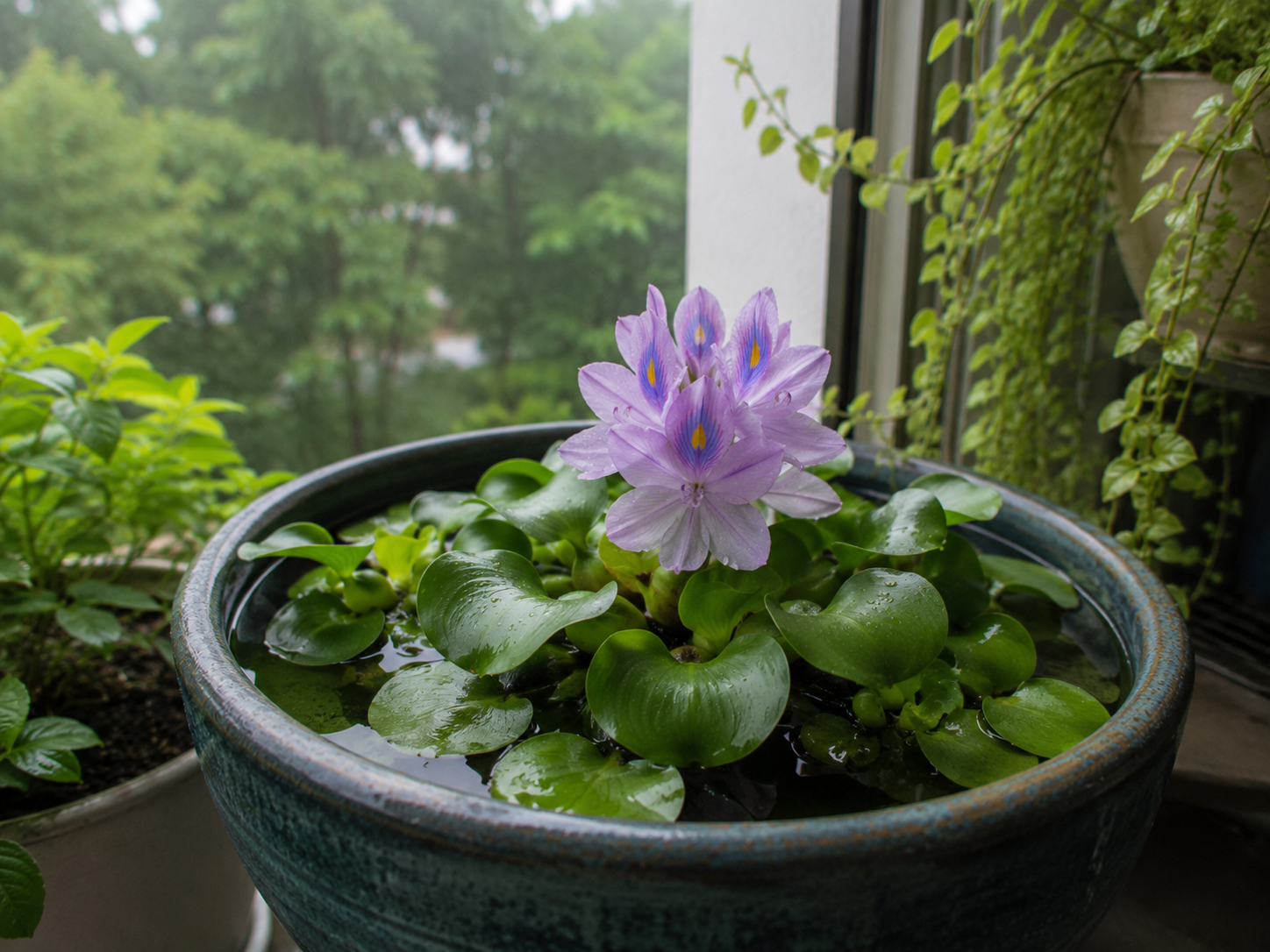
Monsoon brings water - and Water Hyacinth brings beauty to that water. This floating aquatic plant with gorgeous lavender-blue flowers is perfect for container water gardens that are incredibly trendy right now in Bengaluru apartments. It thrives in still or slow-moving water, and the monsoon humidity keeps it naturally lush. Place in a wide tub, barrel, or decorative pot filled with water and add a few fish to prevent mosquito breeding. Perfect for balcony water features, decorative pots, and terrace ponds. Bonus: it's a natural water purifier, absorbing excess nutrients from the water.
5. Water Poppy (Hydrocleys nymphoides)
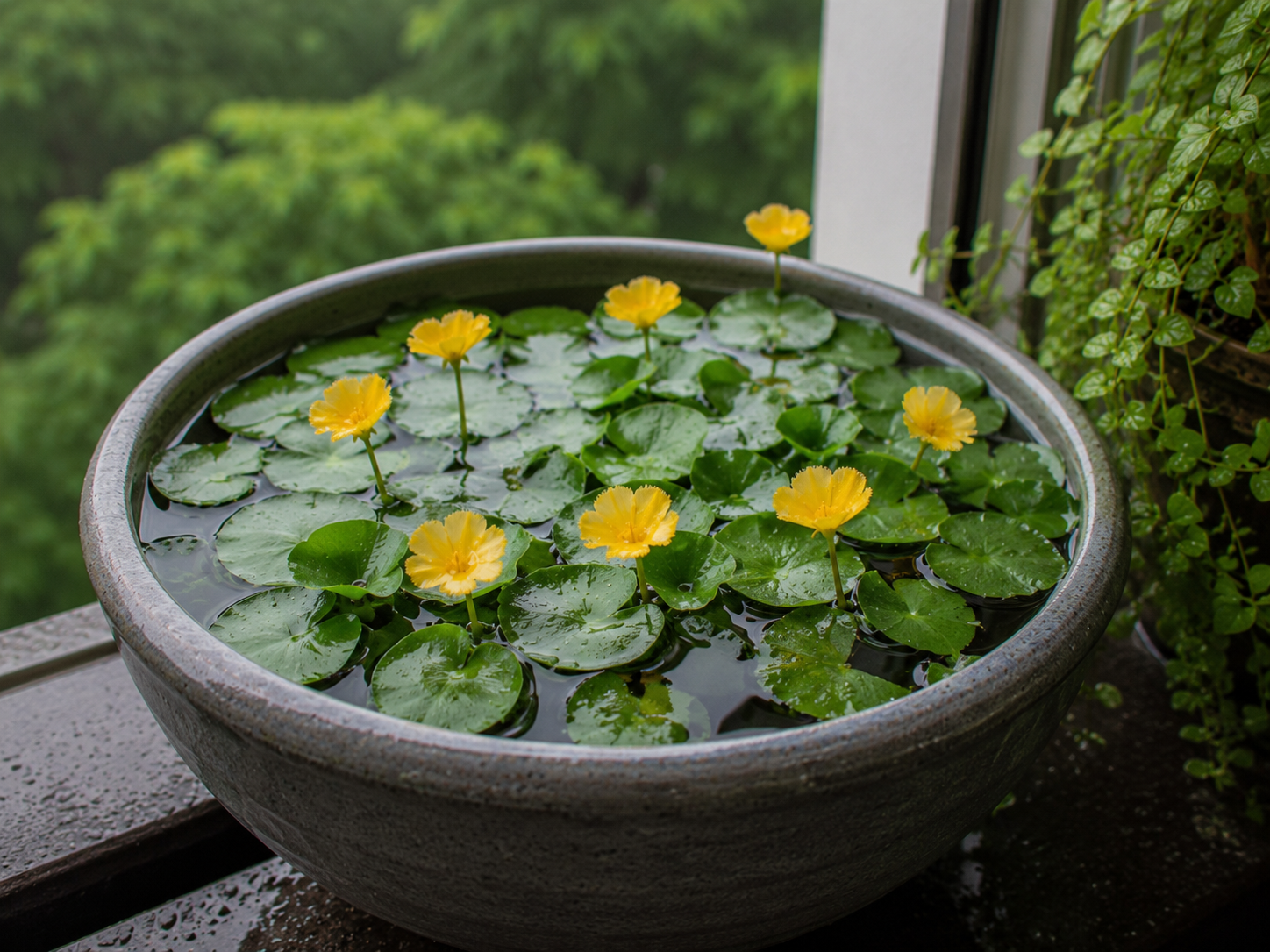
A smaller, elegant companion to Water Hyacinth - the Water Poppy produces cheerful yellow, poppy-like flowers that float on the water's surface. If you want a container water garden that looks like a miniature pond, pair these two together. It loves warm monsoon conditions and grows rapidly in rainy months. Keep in full to partial sun with water depth of 5-15 cm. Perfect for small containers, decorative bowls, and bird baths.
6. Alternanthera (Joseph's Coat)
Alternanthera is a ground-hugging foliage plant with vivid red, pink, orange, and burgundy leaves - and it absolutely explodes with colour during the monsoon. Used widely in Bengaluru parks and public gardens for borders, it's equally stunning in home pots and terrace beds. It loves the warm, humid conditions of the monsoon and grows thick and low. Trim regularly to maintain a neat shape - it spreads aggressively when happy. Perfect for ground cover, pot borders, and terrace garden patterns. Two types are available: Regular Alternanthera and Alternanthera Dentata (the taller, deeper burgundy variety).
7. Money Plant (Epipremnum aureum)
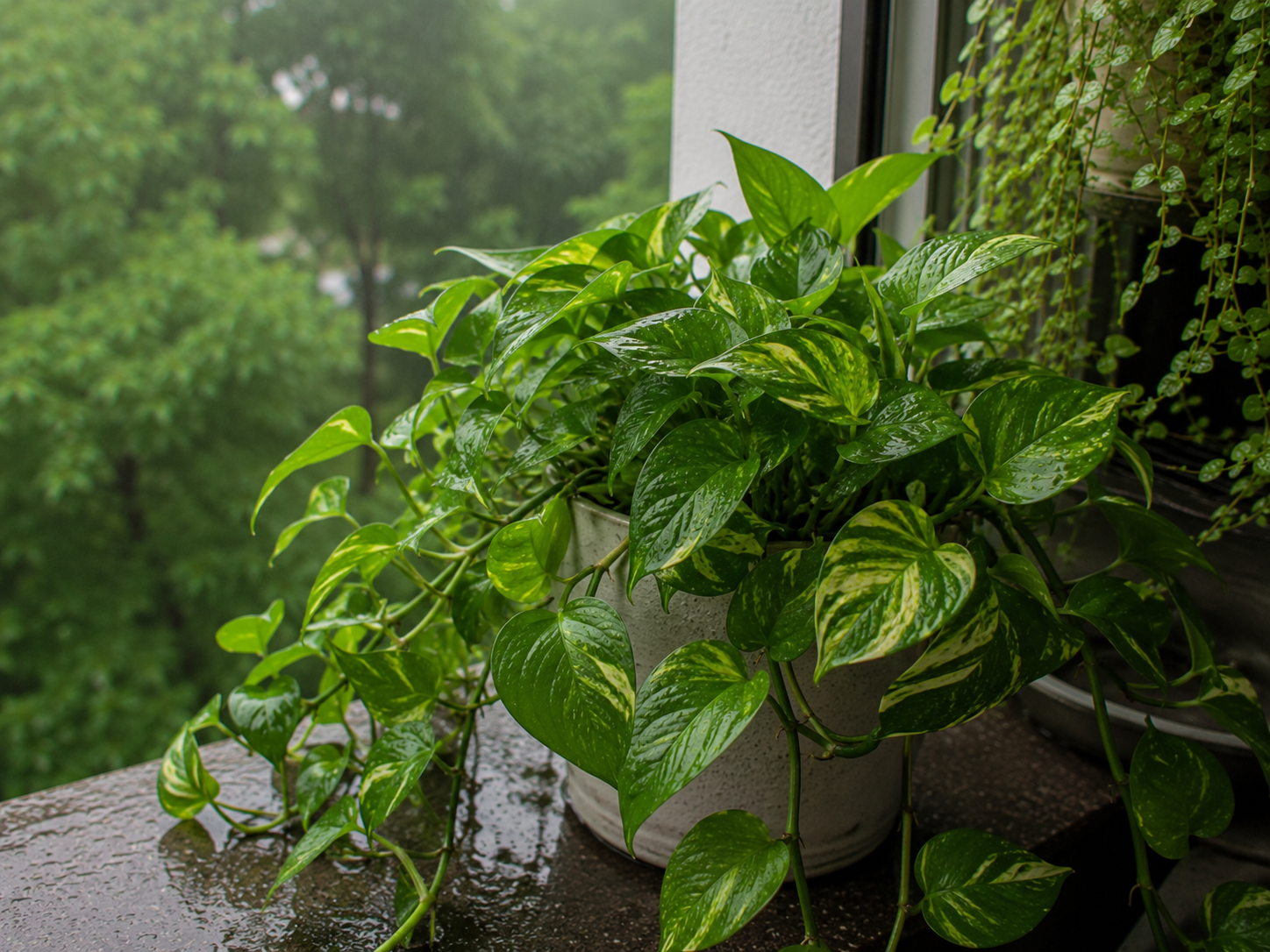
Perhaps Bengaluru's most beloved houseplant - and for good reason. The Money Plant thrives in both indoor and outdoor conditions, and its growth during monsoon can be almost comically fast. Cuttings root within a week in the humid air, and vines can extend by several feet in a single season. Extremely forgiving, it grows in water or soil and tolerates low light. Monsoon is the perfect time to propagate - take cuttings and place in water and they root within days. Perfect for balcony railings (trailing), window sills, and indoor shelf climbers.
Monsoon Gardening Tips Specific to Bengaluru
Bengaluru's clay-heavy soil in many areas (especially older neighbourhoods like Basavanagudi and Malleswaram) does not drain well. Use well-draining potting mix with cocopeat and perlite, and always ensure your pots have drainage holes. If you're gardening directly in the ground, Bengaluru's iron-rich red laterite soil is actually excellent for most tropical plants - enrich it with compost during the monsoon for even better results.
During monsoon, reduce fertiliser to half-strength - rain naturally leaches nutrients. You'll also water far less (or not at all if plants are outside). Watch for yellowing leaves which can signal nutrient wash-out - a light dose of NPK goes a long way. For pests, check undersides of leaves weekly. A simple neem oil spray (5ml neem oil + 1 litre water) is the safest organic solution and works beautifully for Bengaluru's common monsoon pests like aphids, mealybugs, and fungal issues.
Building a Bengaluru Monsoon Balcony Garden - Starter Pack
If you're just starting out and want maximum impact for minimum effort, here's a curated monsoon starter pack: Rainy Lily for sunlit balcony floor pots, Coleus (Red or Rustic Rose) for shaded or semi-shaded spots, Canna Indica for the corner of a large terrace, Money Plant for railings or hanging baskets, Alternanthera for borders and low pot edges, and Water Hyacinth + Water Poppy together in a large tub or decorative pot with water. This combination gives you height, colour, texture, and water feature drama - all built around plants that are actively in season right now.
Frequently Asked Questions (FAQs)
Which plants grow fastest during Bengaluru's monsoon? Money Plant, Coleus, and Canna Indica are the fastest-growing plants during Bengaluru's rainy season. Coleus cuttings root within 5-7 days in the humid air.
Can I keep water plants on my apartment balcony in Bengaluru? Absolutely! Water Hyacinth, Water Poppy, and other aquatic plants grow beautifully in large containers, decorative pots, or even old clay urns filled with water. No pond required.
Do succulents survive Bengaluru's monsoon? Most succulents struggle with Bengaluru's high monsoon humidity. Move them indoors to a well-ventilated spot or under a covered balcony area during heavy rain months.
Is monsoon the right time to repot plants in Bengaluru? Yes - the cooler temperatures and high humidity make monsoon an ideal time for repotting. Plants recover from transplant shock far more quickly during the rainy season.
Where can I buy monsoon plants online in Bengaluru with home delivery? Happy Greenery ships fresh, healthy plants directly from our nursery to your home across Bengaluru.
Final Thoughts
Bengaluru's monsoon is short-lived - but its impact on your garden can last the entire year. The right plants, placed in the right spots, will not just survive the rain - they'll reward you with a level of lush growth and colour that the summer sun simply couldn't produce.
Start small. Pick 3-4 plants from this list. Watch them explode with life over the next few weeks. That's the magic of monsoon gardening in Bengaluru - and it never gets old. Ready to plant? Explore our full collection of monsoon-ready plants, aquatic plants, and seasonal favourites at Happy Greenery.
Comments
Join the Conversation
Sign in with Google to post comments, ask questions, or reply to other readers.
No comments yet. Share your thoughts!