Passion Flower (Krishna Kamal / Passiflora): The Exotic Climber That Turns Every Garden into a Tropical Paradise
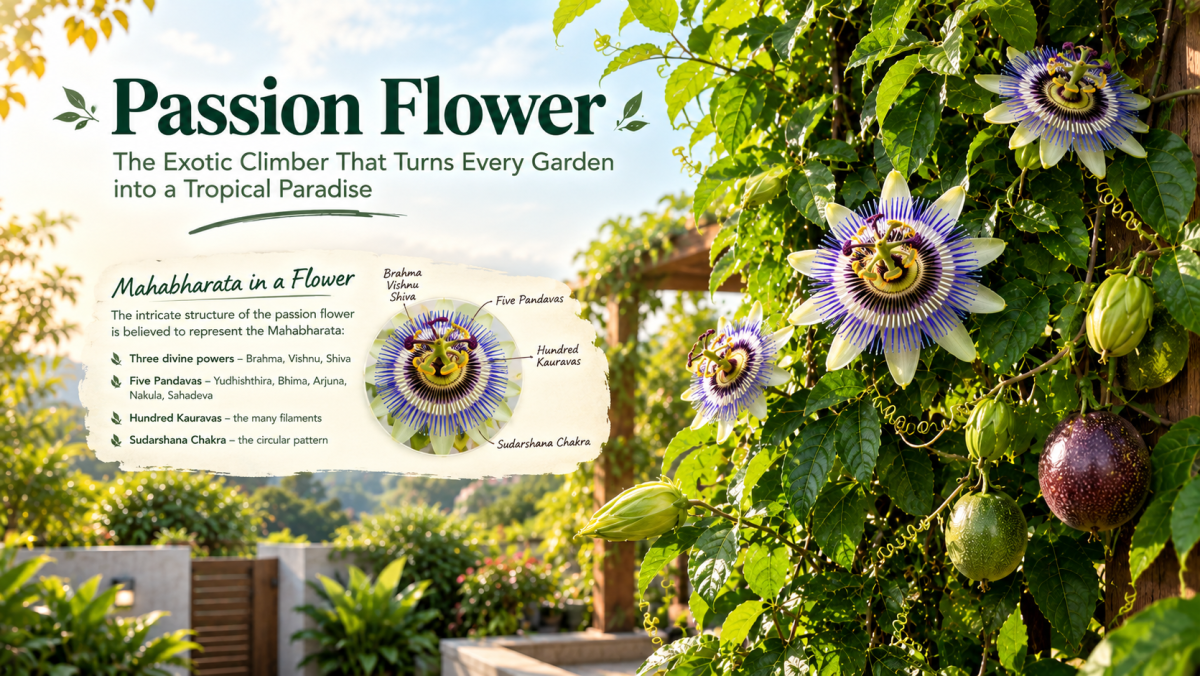
Imagine a garden where delicate tendrils climb gracefully over a trellis, lush emerald leaves create a cooling canopy, and extraordinary blooms unfold like intricate botanical masterpieces. With its unusual floral architecture, vibrant colours, and tropical charm, the Passion Flower (Passiflora spp.) transforms ordinary walls, pergolas, arches, and balcony grills into breathtaking green sanctuaries.
Generally thriving in a warm climate with bright sunlight, most flowering passion flower varieties perform best with several hours of direct sun each day. In Indian gardens—and especially across Bengaluru's pleasant, elevated plateau (20°C–34°C)—a location receiving around four to six hours of sunlight is a perfect starting point for cultivating vigorous, prolific vines.
Nature's Masterpiece: Christian Symbolism & The Sacred Legend of Krishna Kamal
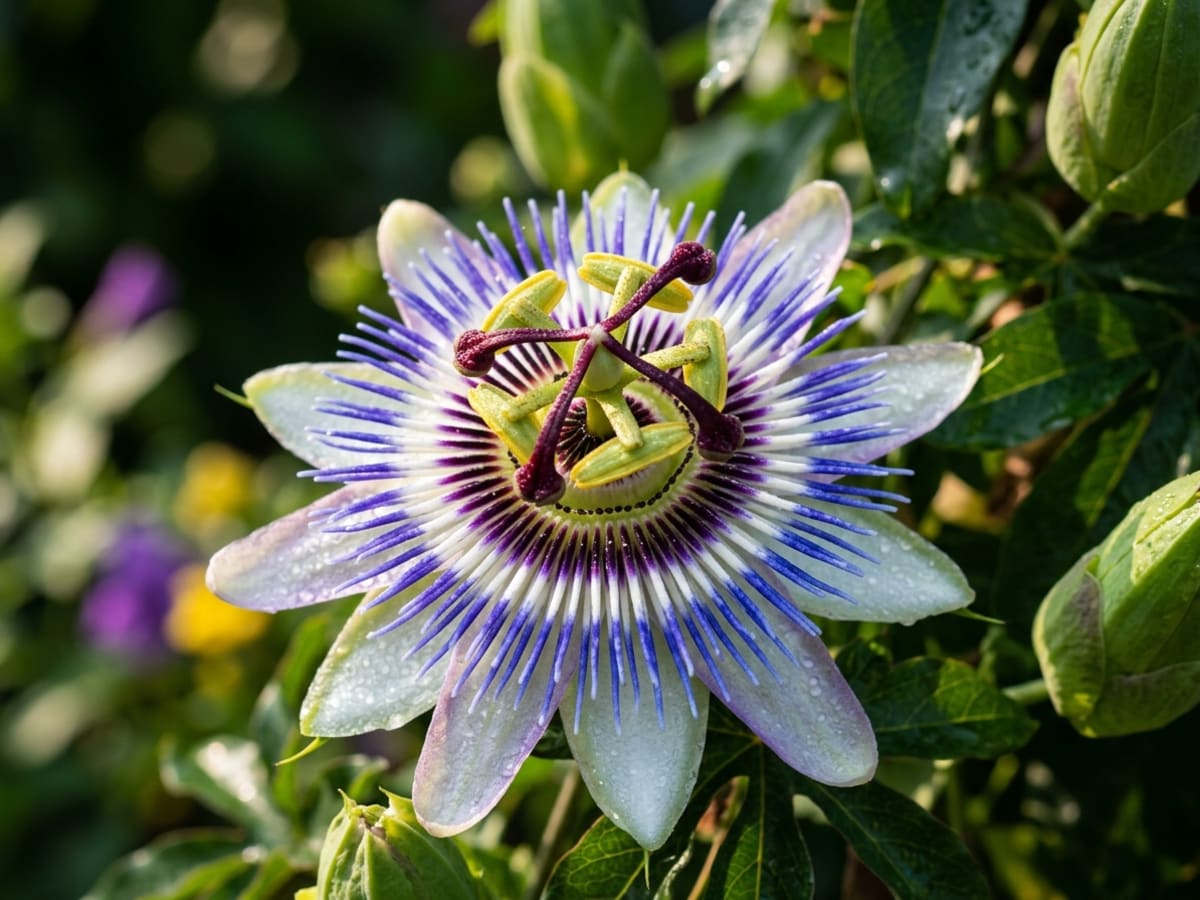
What makes the passion flower truly extraordinary is its blossom. Unlike conventional garden blooms, it features an astonishingly complex floral anatomy comprising layered petals, sepals, a vibrant crown of delicate filaments (the corona), prominent reproductive structures, and a distinctive central column. Depending on the species and variety, the flowers display vivid shades of purple, white, pink, blue, or striking combinations of these colours. The name 'Passion Flower' originated from 15th-century Christian symbolism, in which different parts of the flower were associated with elements of the Passion of Christ.
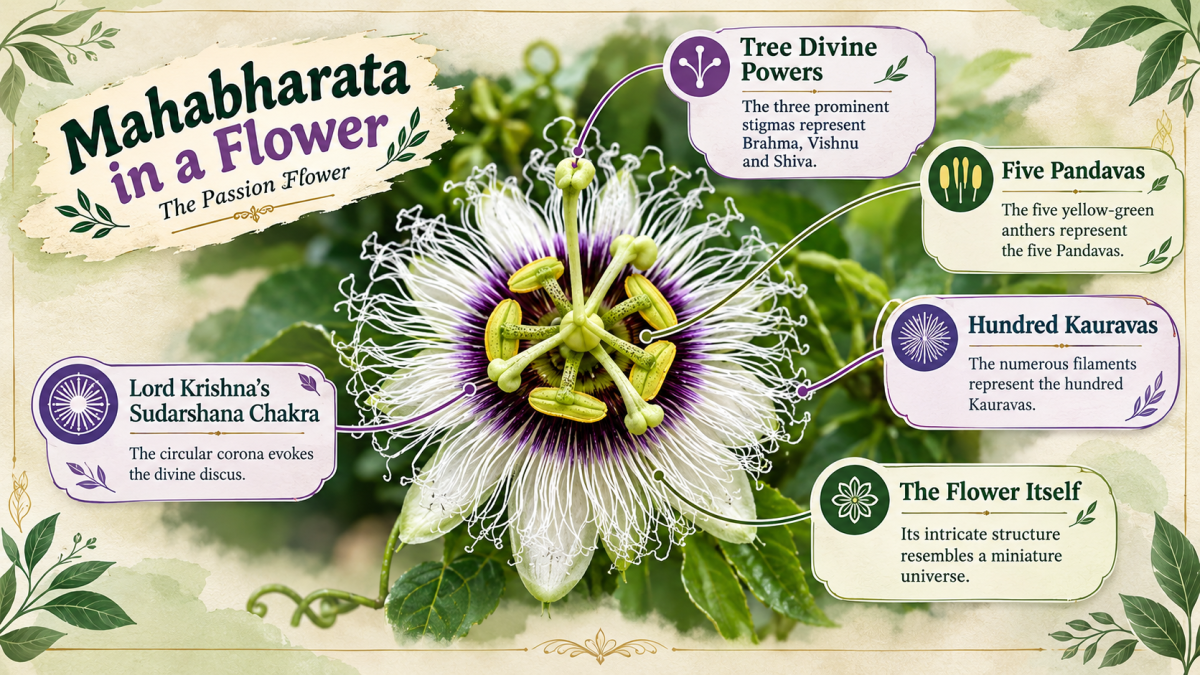
Along with this, the Krishna Kamal (Passion Flower) is deeply revered across India through a popular legend inspired by the Mahabharata. According to this symbolic belief, the flower represents the great epic through its unique structural components: • The three divine powers: The three prominent structures at the centre are said to represent Lord Brahma, Lord Vishnu, and Lord Shiva. • The five Pandavas: The five prominent yellow anthers are associated with Yudhishthira, Bhima, Arjuna, Nakula, and Sahadeva. • The hundred Kauravas: The many delicate filaments surrounding the centre are traditionally said to represent the hundred Kaurava brothers. • Lord Krishna's Sudarshana Chakra: The flower's intricate circular pattern is interpreted as a symbol of Lord Krishna's divine discus.
A Climber with Endless Landscaping Possibilities
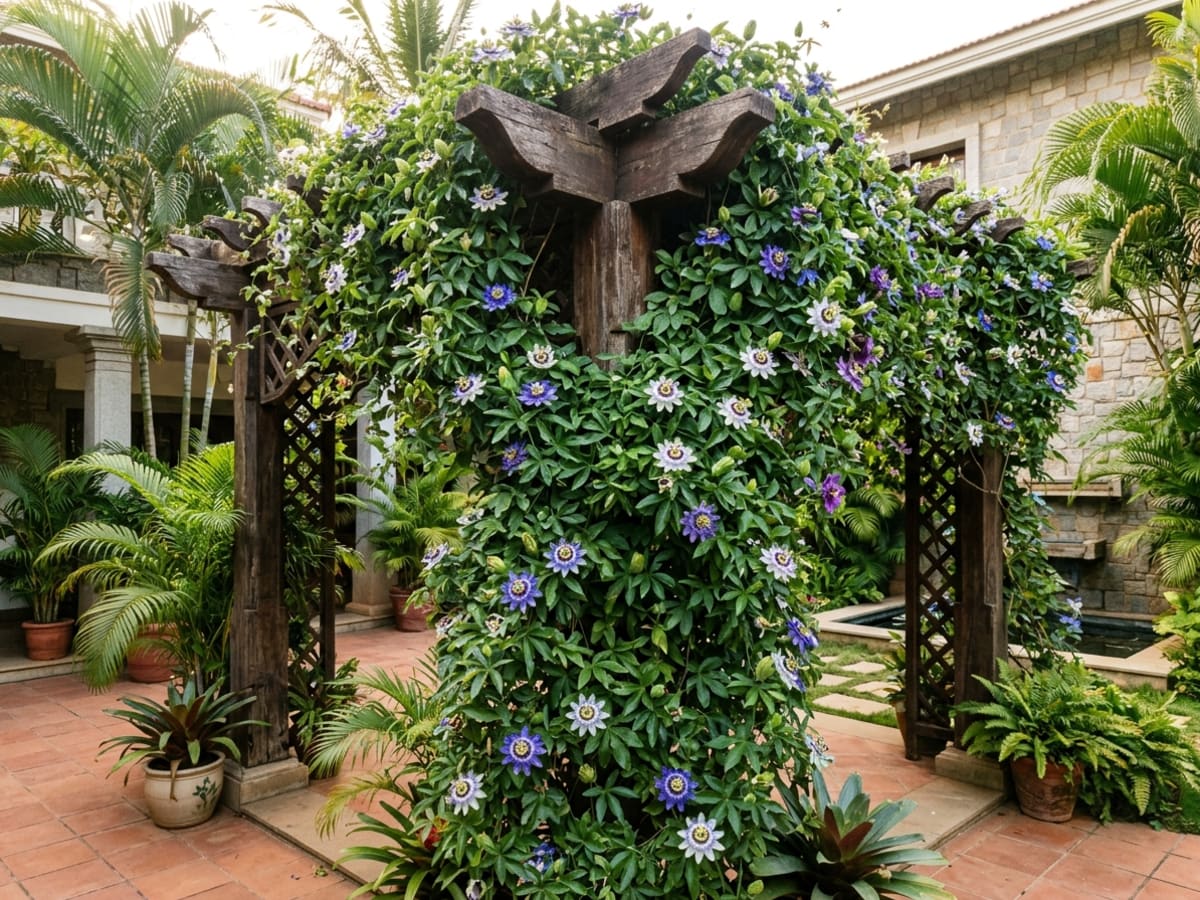
Passion flower is not just beautiful; it is an excellent plant for adding vertical interest to outdoor spaces. Its slender, coiling tendrils allow it to climb supporting structures with effortless grace, making it ideal for pergolas, garden arches, trellises, fences, and wire frameworks. It can also be grown along balcony railings and garden partitions across apartments in Whitefield, Sarjapur, and Electronic City, provided sufficient sunlight and growing space are available.
More Than Beauty: The Fascinating Superfood Fruit
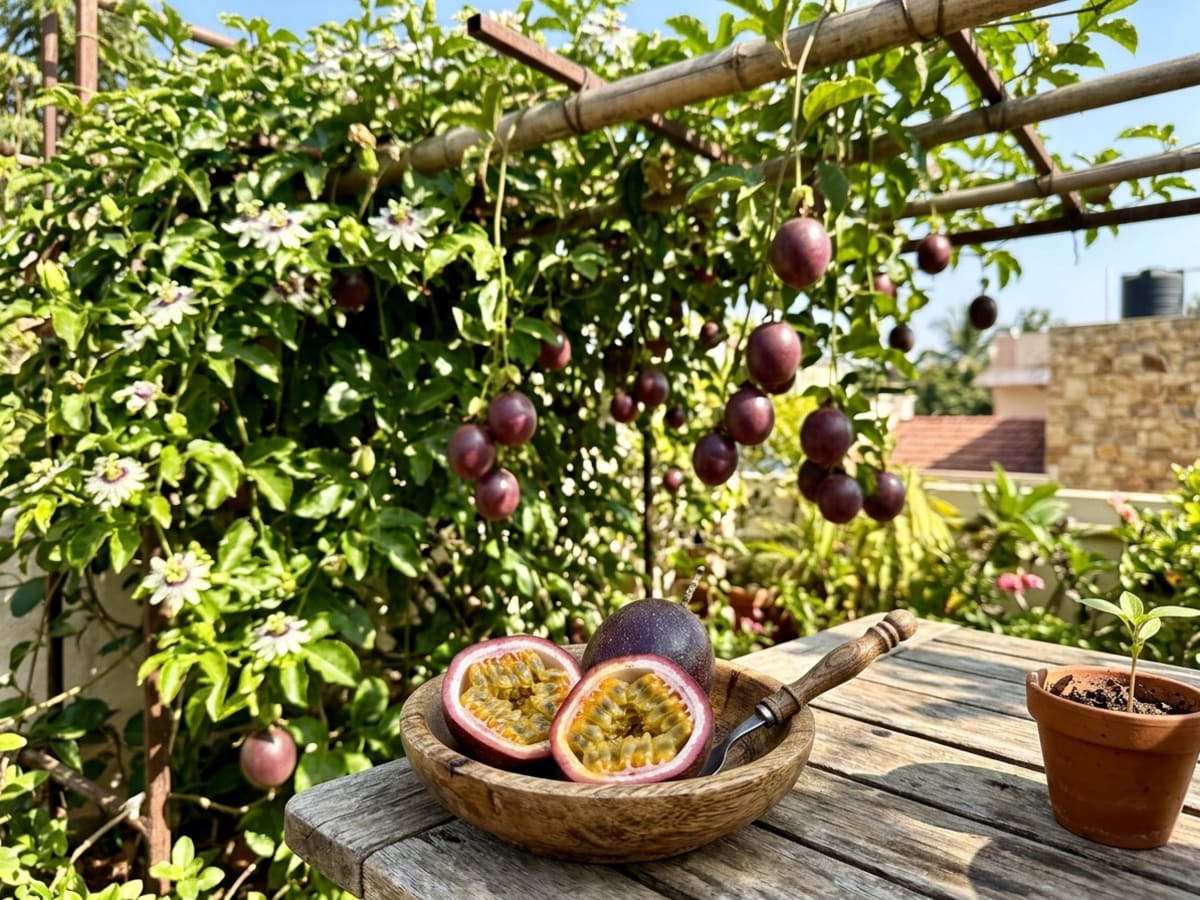
Many passion flower species produce attractive, edible fruits after successful pollination. The best-known example is the edible Purple Passion Fruit (Passiflora edulis), which develops round or oval fruits with aromatic pulp and numerous seeds. Depending on the species, the fruits turn purple or yellow as they mature. The edible passion fruit is valued for its distinctive tropical flavour and is widely used in fresh juices, desserts, smoothies, and culinary preparations.
The fruit is a highly nutritious tropical fruit rich in dietary fibre, vitamins, minerals, and beneficial phytochemicals. Approximately 100 g of raw purple passion fruit pulp with seeds provides about 97 kcal of energy, 23.4 g of carbohydrates, 10.4 g of dietary fibre, 2.2 g of protein, and 0.7 g of fat. It contains approximately 30 mg of vitamin C, 64 µg of vitamin A, 348 mg of potassium, 29 mg of magnesium, 12 mg of calcium, 68 mg of phosphorus, and 1.6 mg of iron. Bioactive polyphenols, flavonoids, and carotenoids contribute to its antioxidant properties, while the seeds provide essential unsaturated fatty acids, particularly linoleic acid.
Brilliant Varieties & Crimson Tropical Climbers
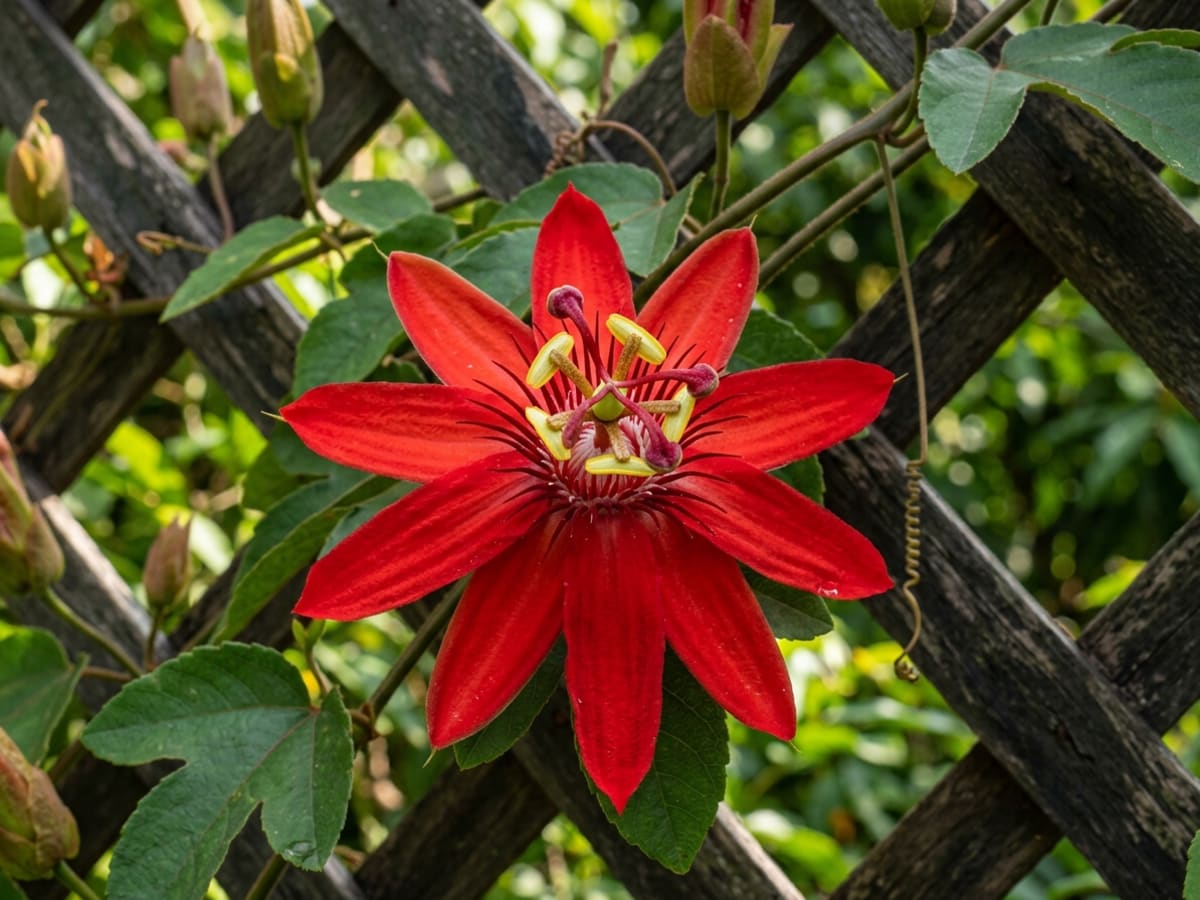
Among the most striking cultivated varieties is Passiflora vitifolia (Red Passion Flower), recognized for its brilliant scarlet-red flowers and attractive, grape-like leaves. Combined with heat-tolerant Passiflora caerulea and fragrant Passiflora alata, these vigorous climbers provide a kaleidoscope of exotic colors.
Invite Butterflies and Life into Your Garden
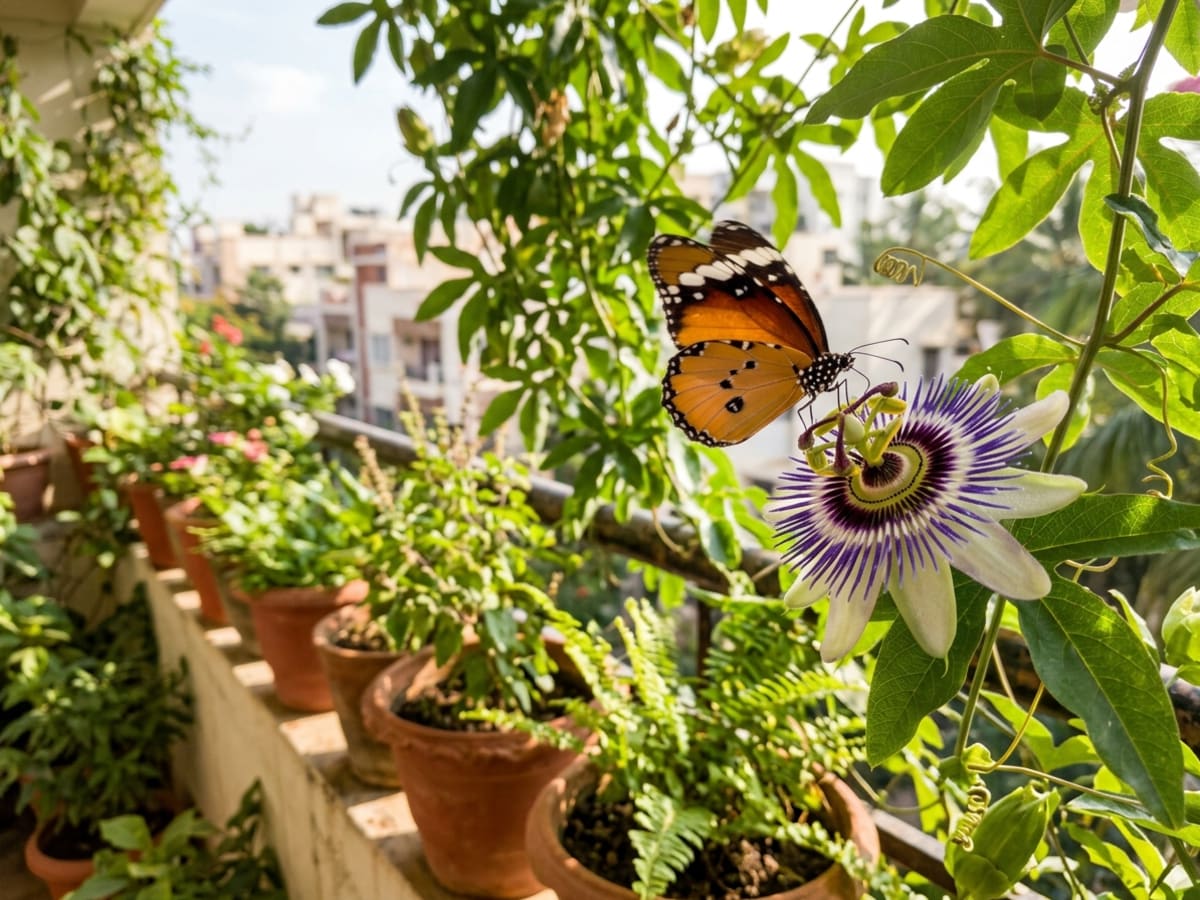
Passion flowers add ecological value to a garden as well as ornamental appeal. Their flowers attract bees and other pollinators, while certain Passiflora species serve as vital host plants for the caterpillars of butterflies in the subfamily Heliconiinae. This close biological relationship makes the passion flower an essential choice for butterfly gardens and biodiversity-friendly landscapes.
Potting, Soil & Care for Bengaluru Gardens
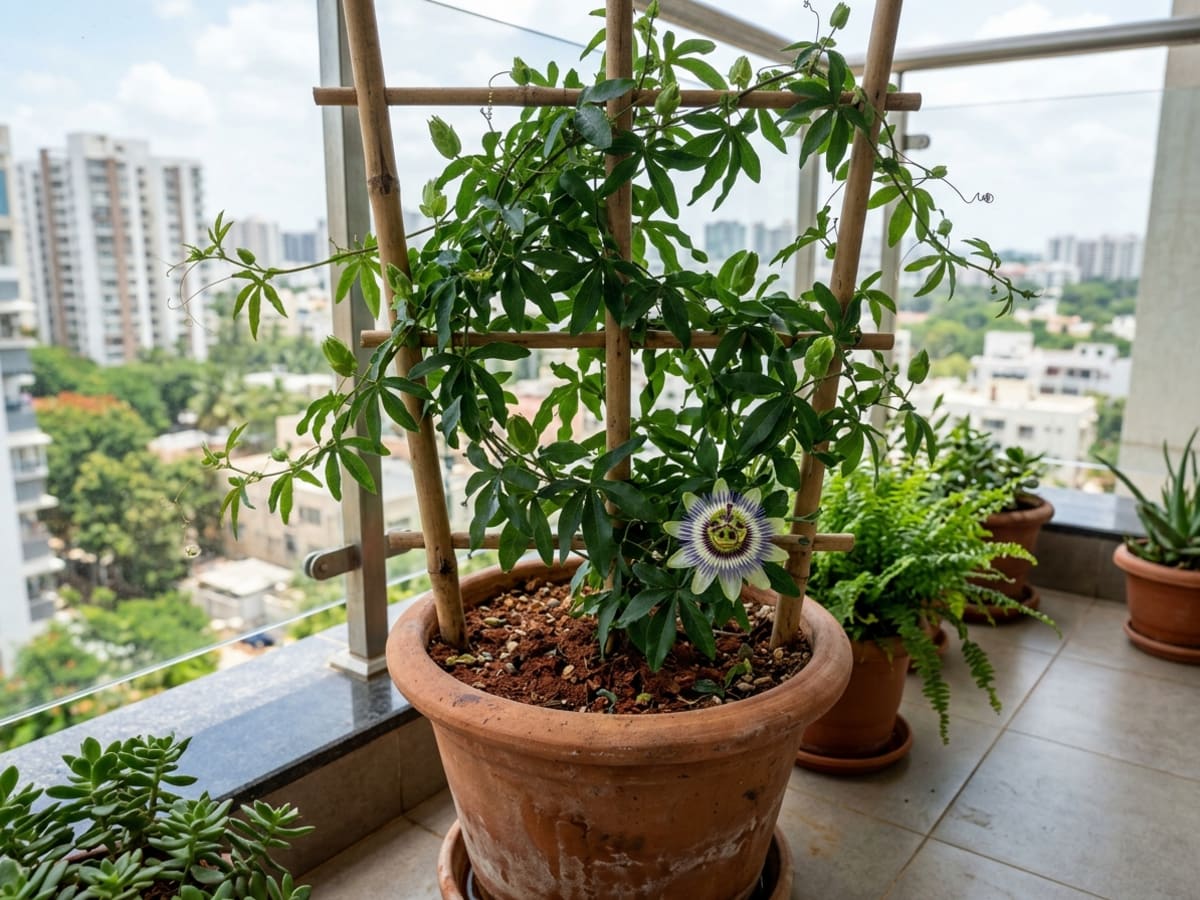
Passion vines require 4 to 6 hours of bright direct sunlight daily. To prevent root compaction in Bengaluru's heavy red soil, pot in a blend of 40% Red Soil, 30% Coco Peat, 20% Vermicompost, and 10% Perlite or Coarse Sand. Water thoroughly when the top inch of soil feels dry, and prune lightly after heavy flowering flushes to stimulate vigorous new flowering shoots.
Complete Botanical Guides & Popular Passiflora Species
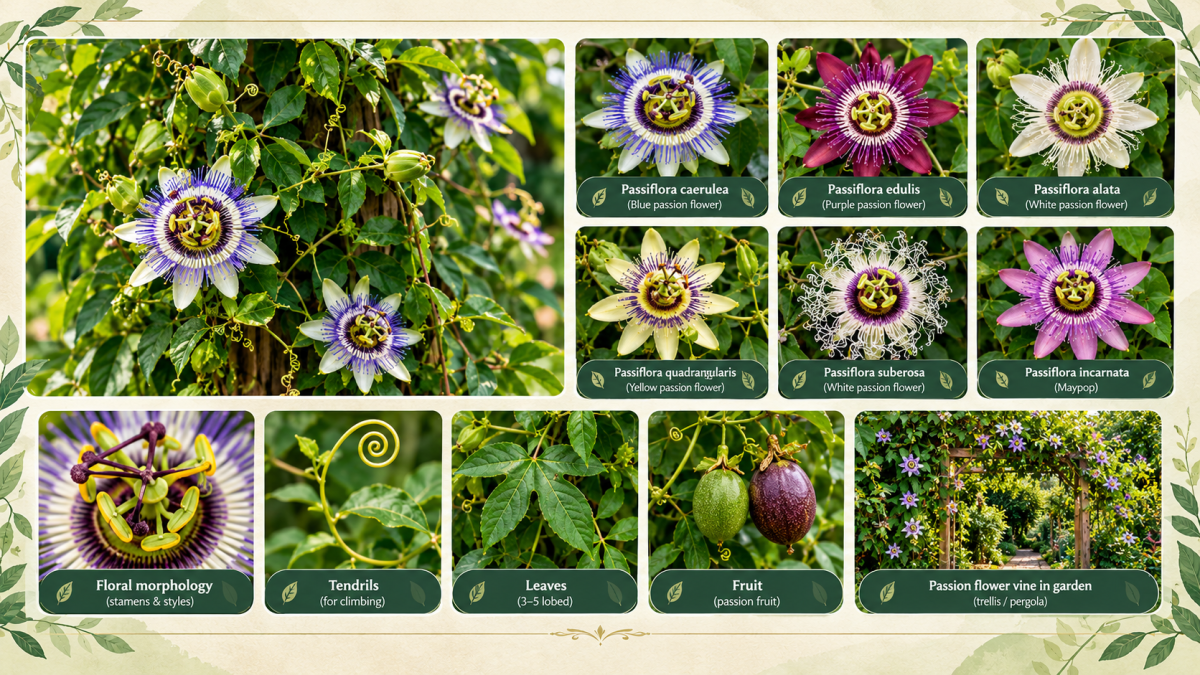
Passion flowers belong to the genus Passiflora, a diverse group of flowering vines known for their exotic blooms, climbing tendrils, and edible fruits. From floral morphology (stamens and styles) to 3-5 lobed leaves and developing fruit, these climbers offer immense botanical diversity.
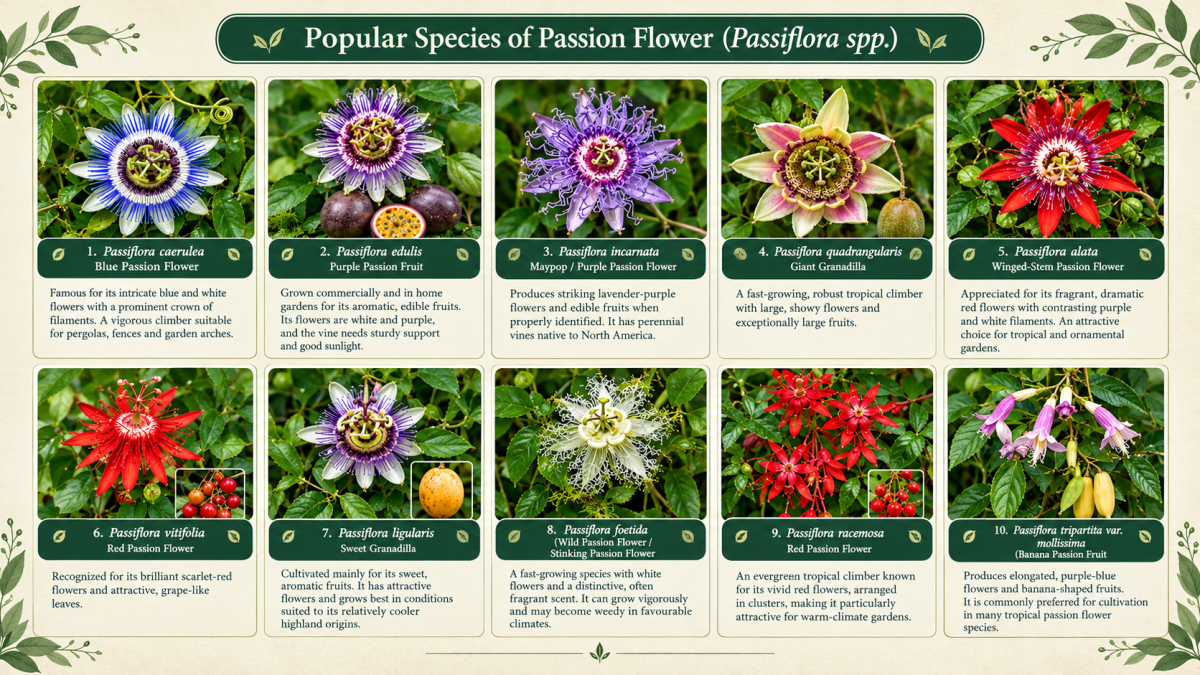
Popular cultivated species include Passiflora caerulea (Blue Passion Flower), Passiflora edulis (Purple Passion Fruit), Passiflora incarnata (Maypop), Passiflora quadrangularis (Giant Granadilla), Passiflora alata (Winged-Stem Passion Flower), Passiflora vitifolia (Red Passion Flower), Passiflora ligularis (Sweet Granadilla), Passiflora foetida (Wild Passion Flower), Passiflora racemosa (Red Passion Flower), and Passiflora tripartita var. mollissima (Banana Passion Fruit).
Bring Home Krishna Kamal with Happy Greenery
Ready to bring the sacred beauty, vertical shading, and butterfly-friendly charm of Krishna Kamal to your home? Happy Greenery delivers robust, acclimatized passion flower vines and premium organic potting mixes directly to your home in Bangalore.
Explore Climbers & Flowering Plants at Happy Greenery Store →
Looking for healthy indoor & outdoor plants in Bengaluru?
Explore our curated nursery collection delivered safe and fresh to your doorstep across Bangalore.
Explore Plant Shop →
Comments
Join the Conversation
Sign in with Google to post comments, ask questions, or reply to other readers.
No comments yet. Share your thoughts!