Jade Plant
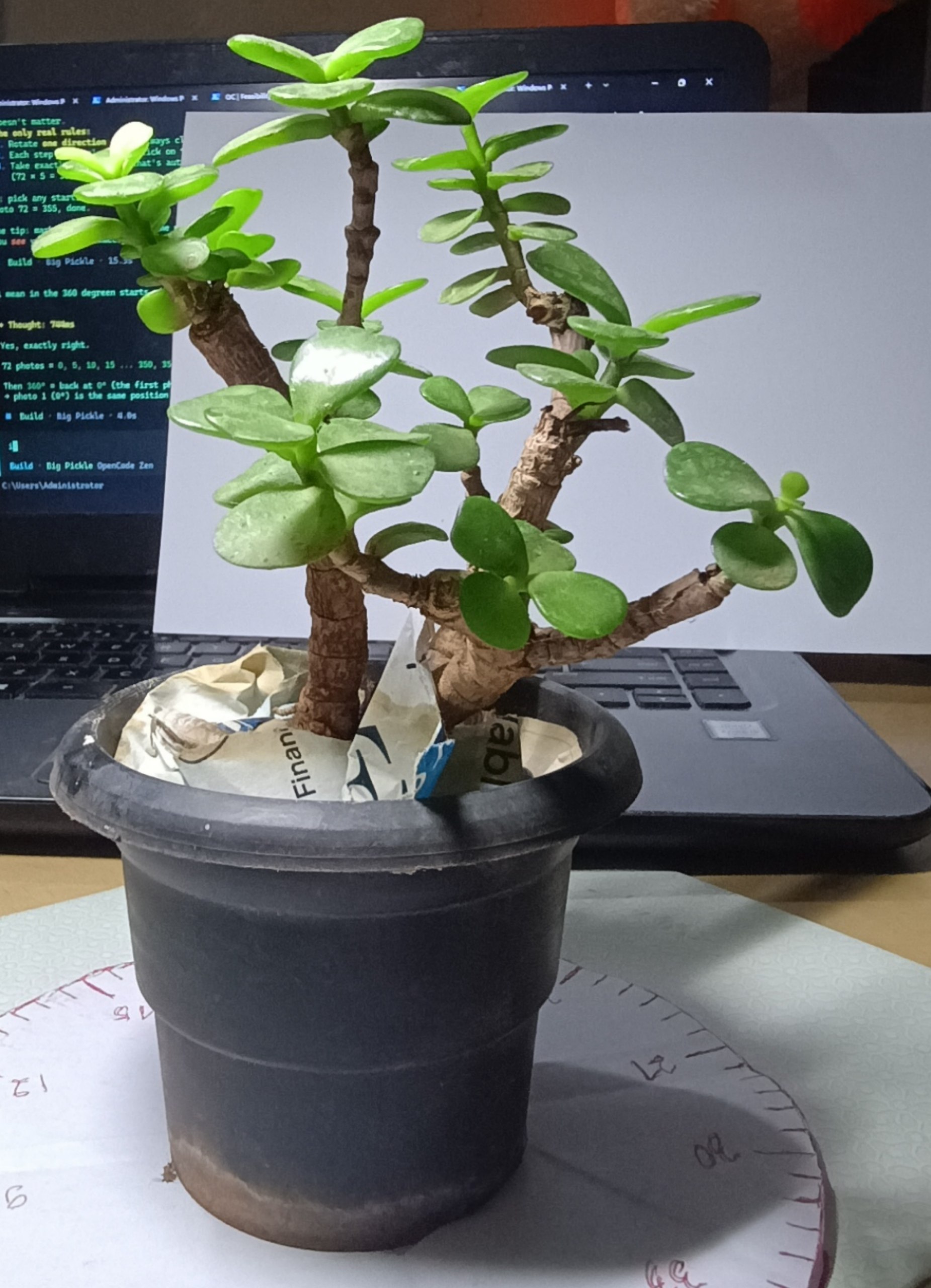
Bring a touch of natural beauty and greenery to your home with the Jade Plant (Crassula ovata). Known for its thick, glossy green leaves and sturdy stems, the Jade Plant is one of the easiest plants to grow and maintain.
The Jade Plant is a succulent, which means it stores water in its leaves and stems. Because of this, it does not require frequent watering and is an excellent choice for beginners or anyone looking for a low-maintenance indoor plant.
With proper care, a Jade Plant can grow for many years and gradually develop a beautiful tree-like appearance. Its compact size also makes it suitable for desks, shelves, balconies, windowsills, and other bright spaces.
Why Choose a Jade Plant?
- Easy to grow and maintain
- Requires relatively little water
- Attractive, thick green leaves
- Suitable for homes and offices
- Can live for many years with proper care
- Ideal for beginners
- Excellent gifting plant
- Adds a natural touch to indoor spaces
Plant Care
☀️ Sunlight
Jade Plants prefer bright light. They grow best when placed near a bright window where they can receive several hours of sunlight each day.
If growing indoors, place the plant near a south-facing or east-facing window where possible.
Avoid suddenly exposing an indoor Jade Plant to intense direct sunlight for long periods, as this can cause leaf damage.
💧 Watering
Jade Plants require less frequent watering than most regular houseplants.
Allow the soil to dry out between waterings. When watering, water thoroughly until excess water drains from the bottom of the pot.
Avoid keeping the soil constantly wet, as excessive moisture can cause root rot.
Tip: It is generally better to underwater a Jade Plant than to overwater it.
🌱 Soil
Use a well-draining soil mix suitable for succulents or cacti.
A good drainage-friendly mixture can contain:
- Potting soil
- Coarse sand
- Perlite or pumice
The main goal is to prevent water from remaining around the roots for long periods.
🪴 Pot
Always use a pot with drainage holes.
The pot should not be excessively large compared with the plant because a large amount of unused soil can retain moisture for longer.
Terracotta pots are a good option because they allow moisture to evaporate more easily.
🌡️ Temperature
Jade Plants prefer warm and comfortable temperatures.
Ideal temperature: Approximately 18°C–27°C.
Protect the plant from extreme cold, frost, and sudden temperature changes.
💨 Humidity
Jade Plants generally do not require high humidity and can adapt well to normal indoor conditions.
Avoid unnecessarily increasing humidity around the plant, especially when the soil is already moist.
🌿 Fertilizer
Feed the plant during its active growing period using a balanced, diluted fertilizer suitable for succulents or houseplants.
Avoid excessive fertilization, as too much fertilizer can damage the roots.
✂️ Pruning
Pruning can help maintain the plant's shape and encourage branching.
Remove:
- Dead leaves
- Damaged branches
- Weak growth
- Overgrown or unwanted branches
Use clean pruning scissors to reduce the risk of spreading diseases.
🔄 Repotting
Jade Plants do not need frequent repotting.
Consider repotting when:
- Roots become crowded
- The plant becomes unstable
- The soil drains poorly
- The plant has significantly outgrown its pot
Choose a pot only slightly larger than the existing one.
Common Problems
Yellow Leaves
Yellow leaves can sometimes be caused by overwatering or poor drainage.
Check the soil moisture and make sure the pot has proper drainage.
Soft or Mushy Leaves
Soft, mushy leaves are often a sign of excessive moisture or overwatering.
Allow the soil to dry properly and check the roots if the problem continues.
Wrinkled Leaves
Wrinkled leaves can indicate that the plant needs water, although other factors can also cause this appearance.
Check the soil before watering.
Leaves Falling
Leaf drop can occur because of changes in watering, insufficient light, temperature stress, or other environmental changes.
Check the plant's growing conditions and adjust them gradually.
Best Placement
The Jade Plant can be placed in:
- Living rooms
- Bedrooms
- Home offices
- Work desks
- Study tables
- Windowsills
- Balconies
- Shelves
- Reception areas
- Office spaces
Place it somewhere with good natural light and avoid locations where water can frequently accumulate.
Jade Plant as a Gift
Jade Plants are popular gifting plants because they are attractive, long-lasting, and relatively easy to care for.
They can make a thoughtful gift for:
- Housewarming
- Birthdays
- Office openings
- Anniversaries
- Festivals
- Plant lovers
- Friends and family
The Jade Plant is also traditionally associated with good luck, prosperity, and positive energy in some cultures.
Important Note
Plant appearance may vary depending on the season, growing conditions, and natural growth patterns.
The plant you receive may have slight differences in:
- Height
- Number of leaves
- Leaf size
- Shape
- Branching
- Color
These natural variations are normal and are part of having a live plant.
Care Summary
| Requirement | Jade Plant |
|---|---|
| Plant Type | Succulent |
| Light | Bright light |
| Water | Low to moderate |
| Soil | Well-draining |
| Humidity | Normal indoor humidity |
| Temperature | 18°C–27°C preferred |
| Growth Rate | Slow to moderate |
| Maintenance | Easy |
| Indoor Suitable | Yes |
| Outdoor Suitable | Yes, in suitable conditions |
| Beginner Friendly | Yes |
Frequently Asked Questions
Is the Jade Plant easy to maintain?
Yes. Jade Plants are relatively easy to maintain because they store water in their leaves and do not require frequent watering.
How often should I water my Jade Plant?
Water only when the soil has dried out sufficiently. The exact frequency depends on sunlight, temperature, pot size, soil, and season.
Can I keep a Jade Plant indoors?
Yes. Jade Plants can grow well indoors when placed in a bright location with adequate natural light.
Does a Jade Plant need direct sunlight?
Jade Plants benefit from bright light and can tolerate direct sunlight when acclimated properly. Avoid suddenly moving a low-light indoor plant into intense sunlight.
Can beginners grow a Jade Plant?
Yes. It is considered a beginner-friendly plant because it generally requires less frequent watering and is relatively easy to care for.
How big can a Jade Plant grow?
With good growing conditions and many years of care, Jade Plants can become large and develop a tree-like form. Growth depends on the environment, pot size, pruning, and care.
Does the Jade Plant need frequent watering?
No. Jade Plants store water in their leaves and stems, so they generally need less frequent watering than many other houseplants.
Can I keep a Jade Plant in my office?
Yes. A Jade Plant can be a good office plant if it receives sufficient natural light.
What type of soil is best for a Jade Plant?
A loose, well-draining soil mix designed for succulents or cacti is ideal.
Does the Jade Plant require fertilizer?
It can benefit from occasional feeding during active growth. Use a suitable fertilizer at a diluted strength and avoid overfertilizing.
Comments
Join the Conversation
Sign in with Google to post comments, ask questions, or reply to other readers.
No comments yet. Share your thoughts!